
Expectations have changed. Budgets are more scrutinized, leadership teams ask tougher questions, and “people liked it” is no longer a sufficient outcome. Engagement does not automatically lead to change, and even the most visually impressive experience may leave little trace once participants return to everyday work.
What is the role of digital here
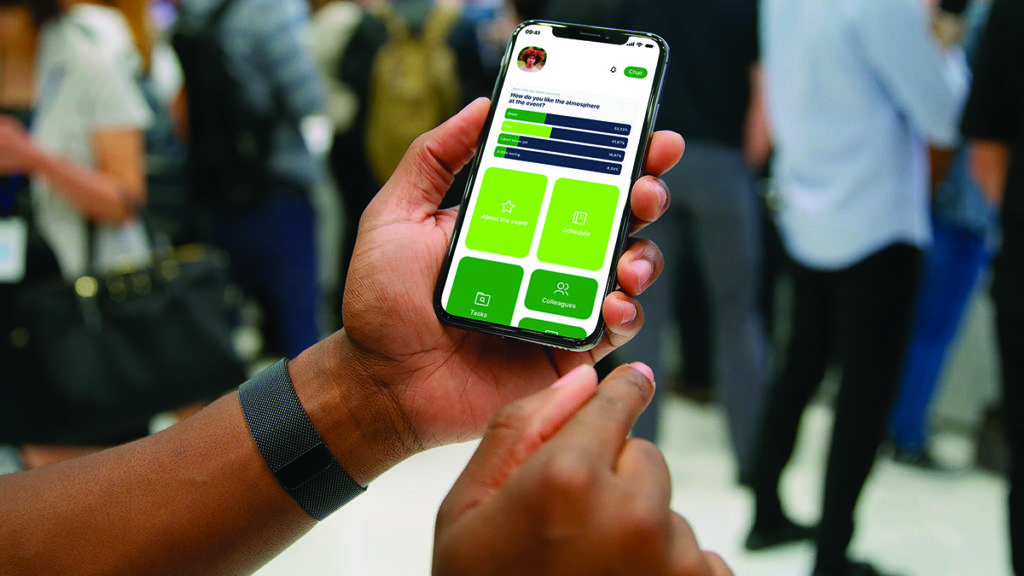
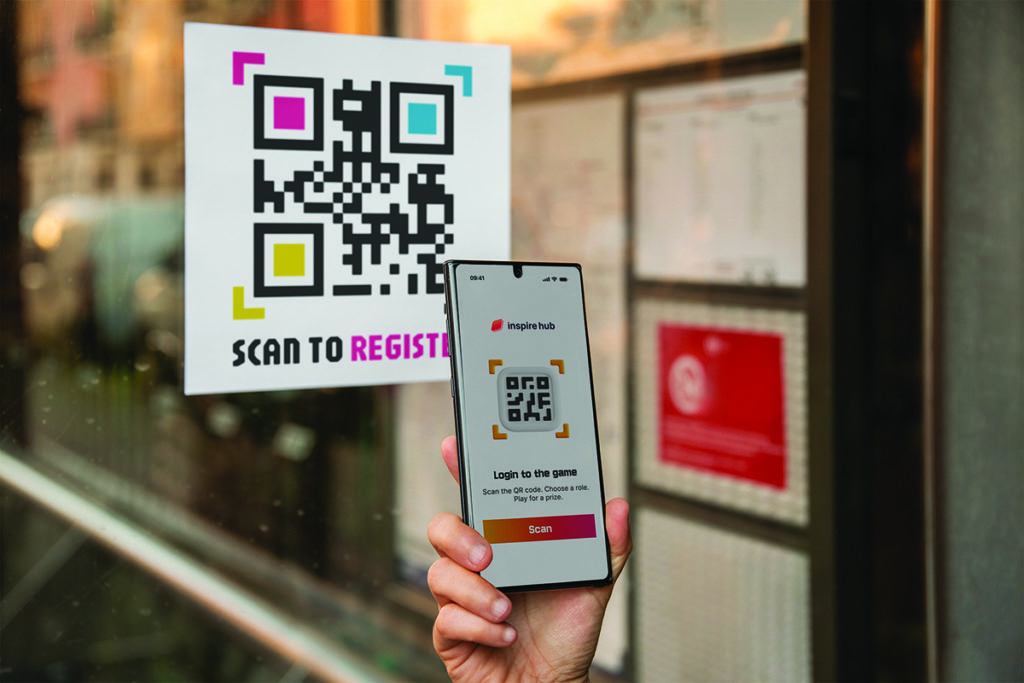
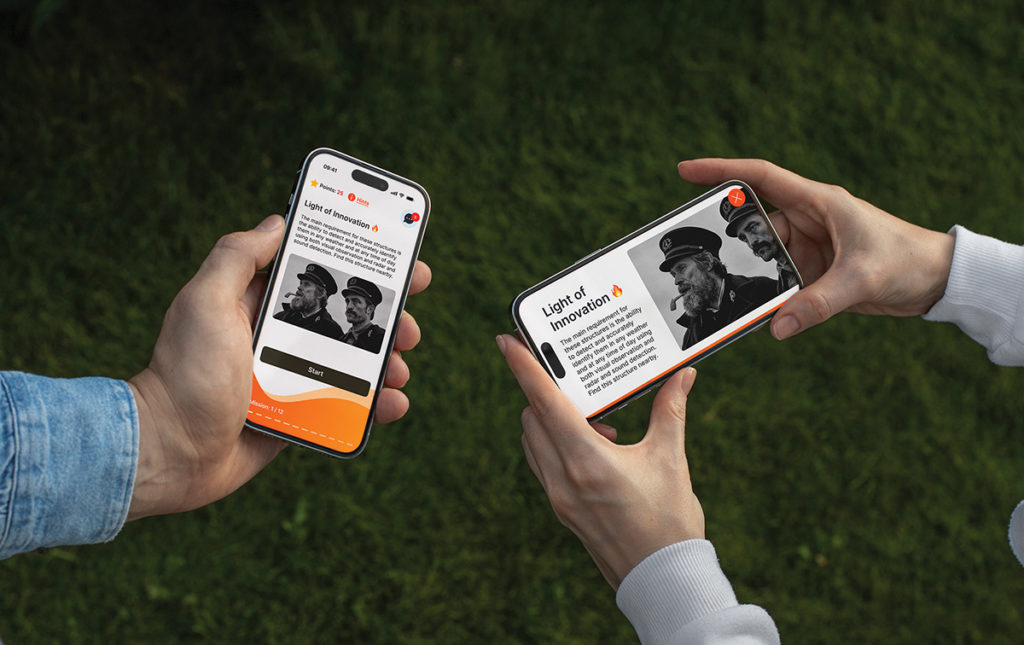
Digital technology does not replace human interaction; it makes participation visible. It turns actions into signals that can be understood beyond the moment of the event and connected to broader business goals.
In manageable event formats, digital layers help to:
- distinguish individual contributions instead of treating audiences as a mass,
- create continuity between decisions and outcomes,
- connect engagement with learning, leadership, or commercial processes,
- reduce uncertainty by revealing what actually worked.
This shift is especially visible in large-scale exhibitions, forums, and complex multi-day programs. Participation is no longer just a feature added for engagement – it becomes an operational layer that helps organizers understand how people move, decide, and interact across multiple touchpoints. Technology here does not replace human connection; it provides the structure that keeps large experiences coherent and purposeful.
What wins in this new reality
The strongest positions belong to those who understand events as part of a broader business infrastructure.
1. Those who work where people pay for results.
Not just for beauty or atmosphere, but for outcomes that can be explained, measured, and repeated.
2. Those embedded in operational budgets.
HR, sales, marketing, and development increasingly treat events as tools rather than celebrations.
3. Those who are reliable and scalable.
Manageable events grow into long-term systems, rewarding partners who deliver stability rather than one-time brilliance.
Beyond the wow effect lies a more mature role for events – not as isolated moments of inspiration, but as environments that move from spectacle to infrastructure, and from impressions to decisions. As expectations continue to evolve, the industry is not losing creativity; it is learning how to align it with purpose, continuity, and real business impact.

What has changed
The shift is not about abandoning creativity. It is about redefining purpose. Organizations increasingly expect events to function as environments where real decisions happen rather than temporary emotional peaks. Experiences are no longer judged only by emotional response but by their ability to support learning, collaboration, and measurable progress.
Today:
- “Liked it” doesn’t equal “worked.”
- Engagement doesn’t guarantee behavioral change.
- Memorable moments without consequence quickly fade.
In a world where attention is fragmented, participation becomes the only solid currency. Real value appears when participants influence the flow of the experience itself instead of simply consuming content.