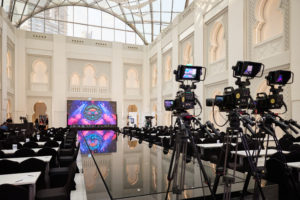


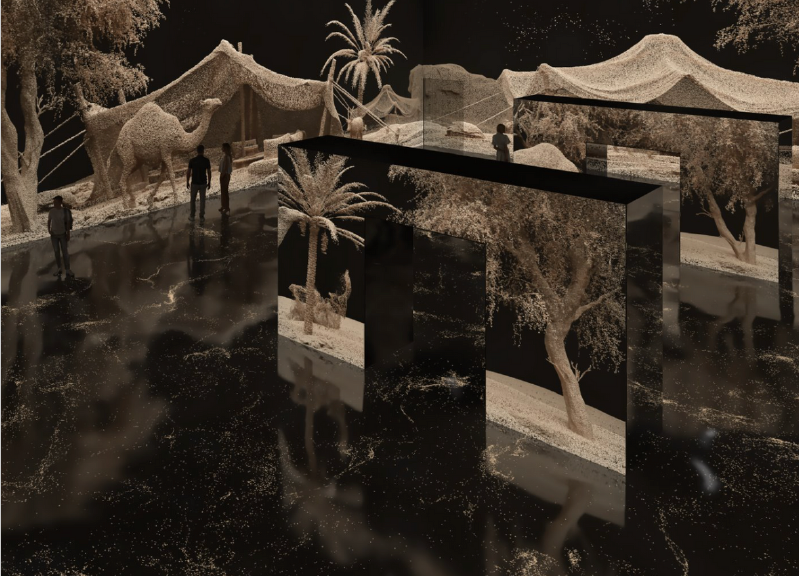

AYA Universe, teamLab Phenomena, Infinity des Lumières and TODA all run on the same technical foundation: projection mapping, motion sensors, generative visuals. But for an event organizer, these are not four versions of one product. They are two fundamentally different business models, each with its own negotiation logic, timelines and risks.
Model One: The Attraction That Sometimes Rents Out
AYA Universe, teamLab Phenomena and Infinity des Lumières are built around the paying visitor. That is their core revenue stream, and their entire operating model (hours, staffing, content) is optimized for public footfall, not private events. Renting these spaces for a corporate event is possible almost everywhere, but it sits outside the core business, and that shapes the terms.
In practice, this means a narrower booking window (usually before opening or after public closing), full buyouts negotiated individually rather than published as a standard rate, and content that is almost never customizable: you get the existing installations as they are, because adapting curated content to a client’s brand is not part of these venues’ operations, it’s the exception to them. For an organizer, this means building in a longer lead time, not expecting branded visuals inside the installations, and confirming exclusivity terms before locking in a date, not after.
Model Two: The Technology That Is the Service
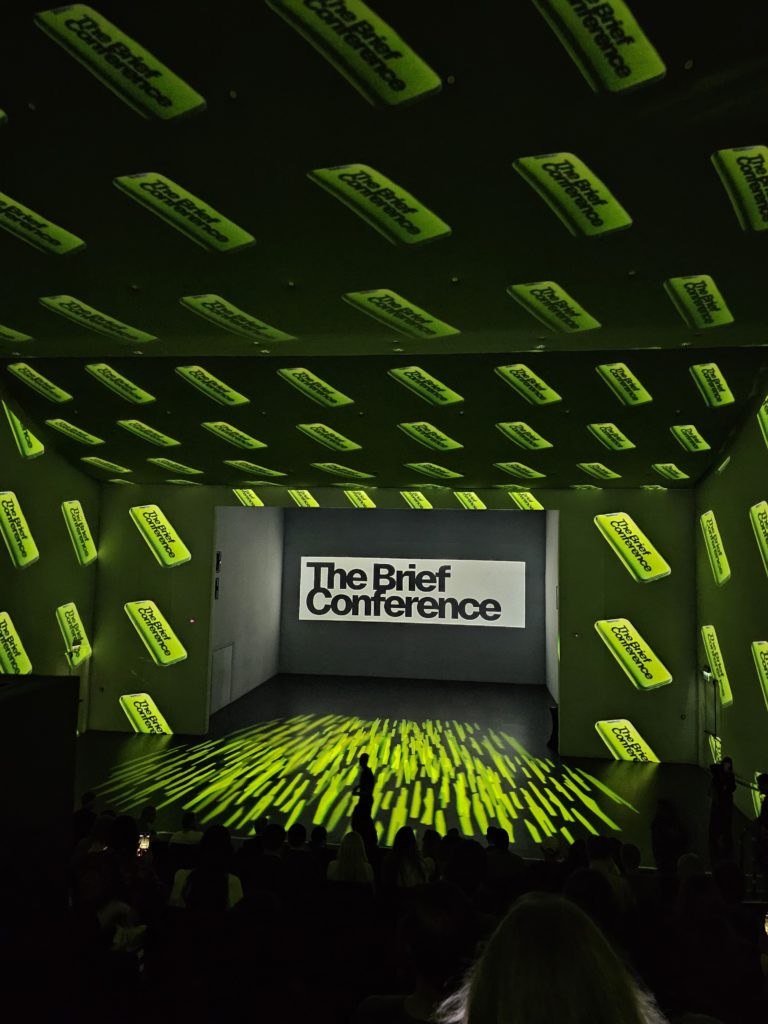
TODA is built the other way around. Full space buyouts, live performances and brand activations are not a side function; they are the core business, especially since the venue’s 2025 relaunch. That changes the operating logic: content on the 360-degree projection system is swapped in for the client’s brief, hours are more open since the venue isn’t primarily serving walk-in footfall, and negotiations start from the event itself rather than as an exception to a daily public schedule.
The price of that flexibility is the absence of a pre-built, recognizable installation brand. AYA Universe, teamLab and Infinity des Lumières also sell a name and a reputation: the guest is coming to see something specific they already know about. TODA sells the ability to build any experience from scratch, without a curator’s media weight behind it.
Where Organizers Get It Wrong
The most common sourcing mistake in this segment is negotiating with a ticketed attraction as if it were a rental venue: requesting full content customization, expecting daytime slots during peak tourist season, or assuming a fixed corporate rate card. None of these hold, because they run against the venue’s core business model. These spaces were not designed as event venues, and treating them as one means talking to a department for which the request is an exception, not a process.
The reverse mistake is walking into TODA expecting a teamLab-level wow factor without investing in original content. The technology there is neutral: it amplifies whatever the organizer feeds into it, and it does not compensate for weak creative with a curator’s brand recognition the way the destination venues do.
The Practical Takeaway
The first question when sourcing an immersive venue isn’t how impressive it looks but whether it’s a ticketed product or a service venue. That answer determines the available booking window, content flexibility, pricing logic, and whose reputational capital ends up carrying the event.