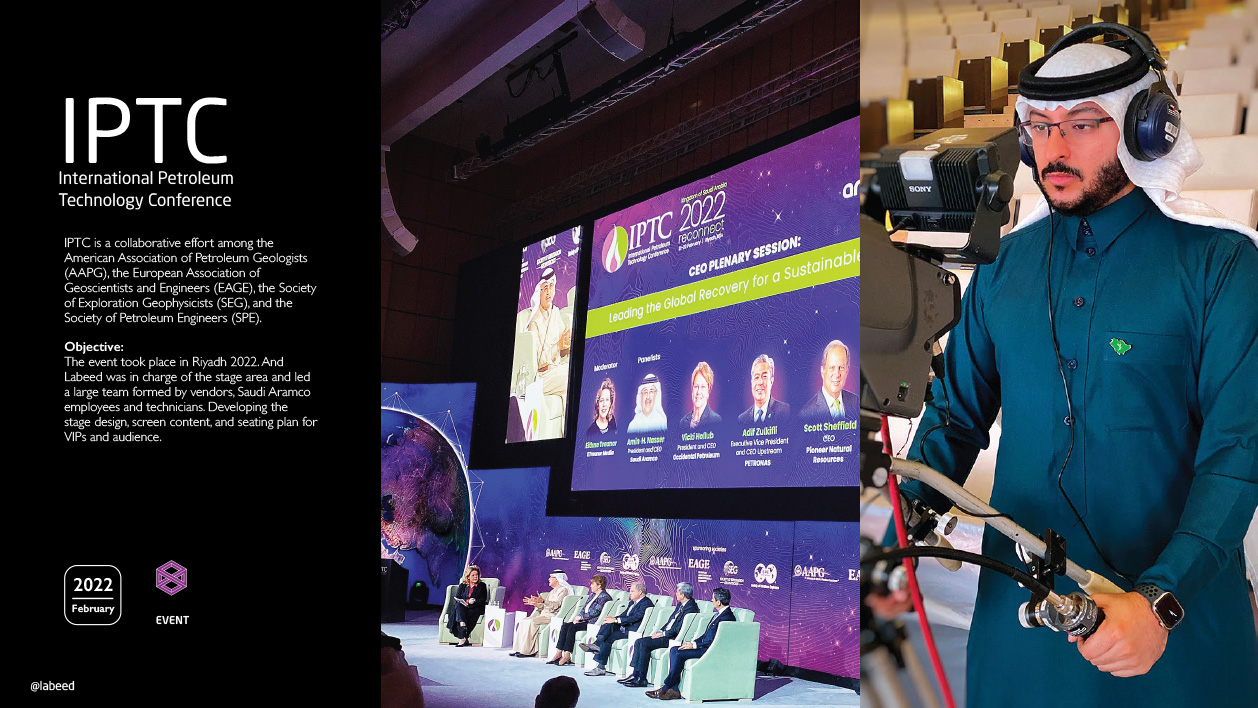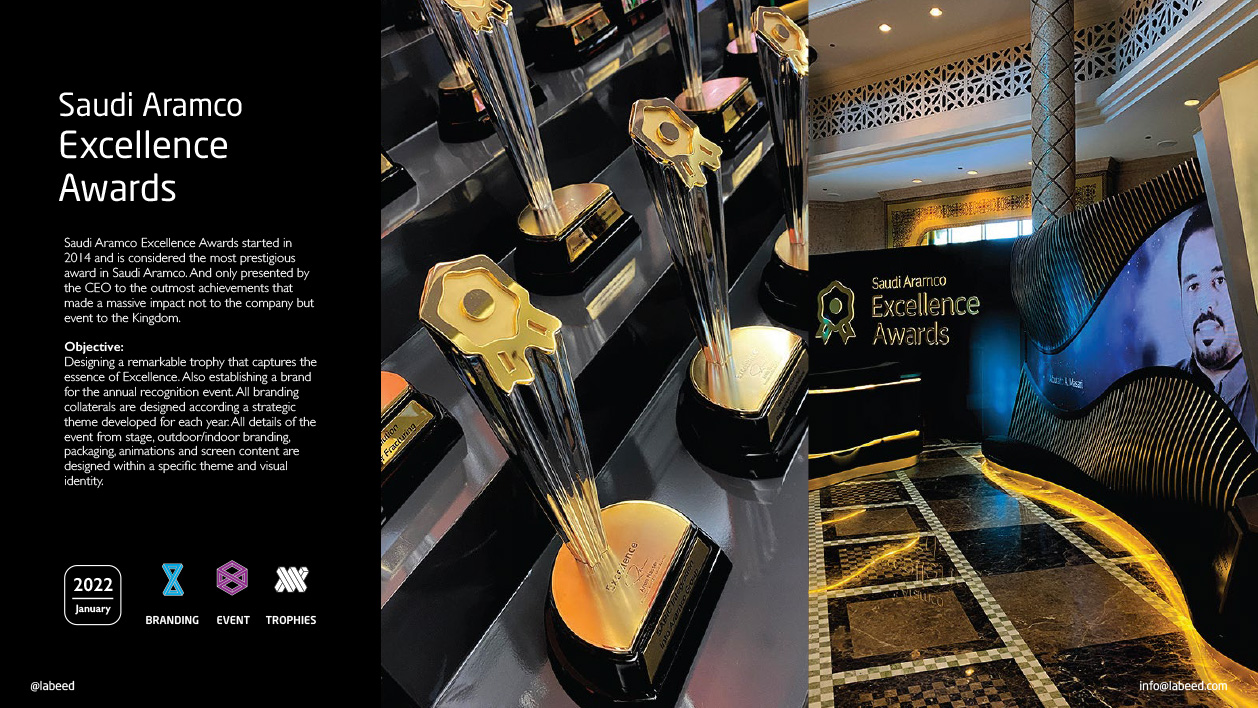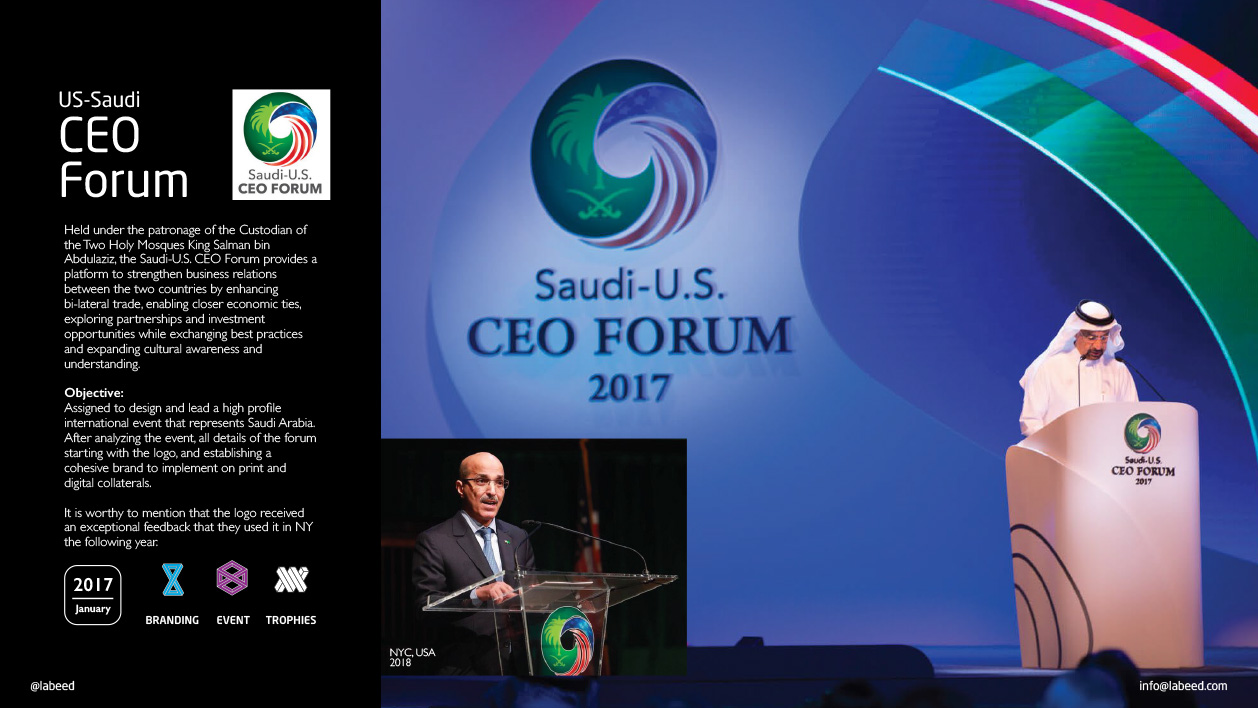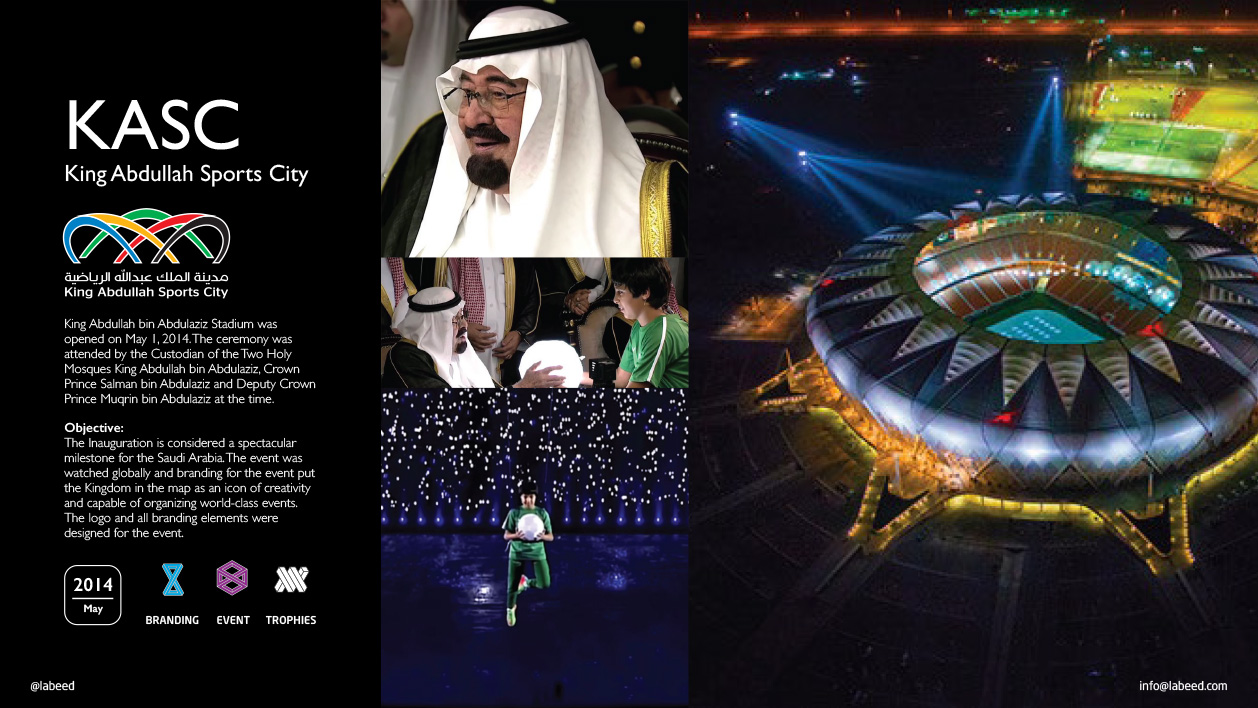

Saudi Arabia is producing more of those moments than at any point in its history. And the timing matters. As GCC brands accelerate their presence on the global stage, and as international event agencies and partners look to the Kingdom for their next significant opportunity, the standards being set here are no longer a regional curiosity. They are becoming a regional benchmark.
Behind that shift is something more significant than budget or ambition: it is a fundamental rethinking of what events are for.
The Structural Shift
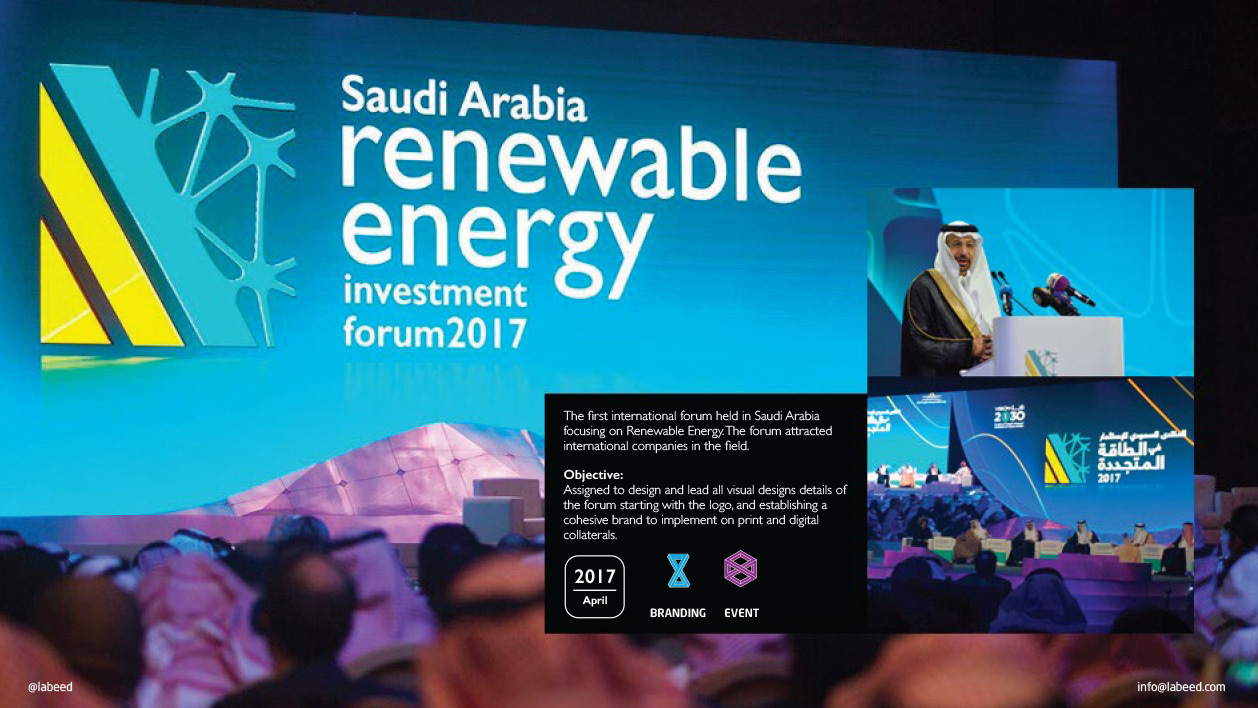
For most of the last decade, the Kingdom’s event landscape was defined by scale. Capacity mattered. Spectacle mattered. The goal was often to signal capability, to demonstrate that the infrastructure, the talent, and the institutional will were in place to execute at a global standard.
That phase is effectively complete. What is emerging now is more nuanced and, frankly, more demanding: events designed not to impress, but to engage. The question has shifted from how large can we build this to how precisely can we design what the visitor experiences inside it.
This is not a subtle distinction. It represents a different kind of professional discipline, one that treats every touchpoint in the guest journey as a deliberate communication decision.
Exhibition Participation as Brand Architecture
One of the clearest indicators of this shift is visible in how Saudi organizations approach major exhibitions. Cityscape Global, which I led as the primary owner for Retal Urban Development across the 2024 and 2025 editions as a Diamond Sponsor, is an instructive example.
The conversation around exhibition participation has matured significantly. Booth design is no longer evaluated primarily on square footage or visual impact. The more sophisticated questions now center on visitor flow, spatial storytelling, and the quality of engagement at each activation zone. Who enters the space? What do they encounter in what sequence? Where does conversation happen, and where does it give way to experience? What does the visitor carry away, not as a brochure, but as a perception?
These are brand architecture questions applied to physical space. And they require a discipline that sits at the intersection of experiential design, brand governance, and operational precision.
The procurement and vendor management behind these exhibitions has evolved in parallel. RFPs now carry detailed experiential requirements, not just technical specifications. Vendors are evaluated on their ability to execute against a strategic brief, not simply on production capability. The professional infrastructure is catching up with the ambition.
Protocol-Level Events and the Zero-Margin Standard
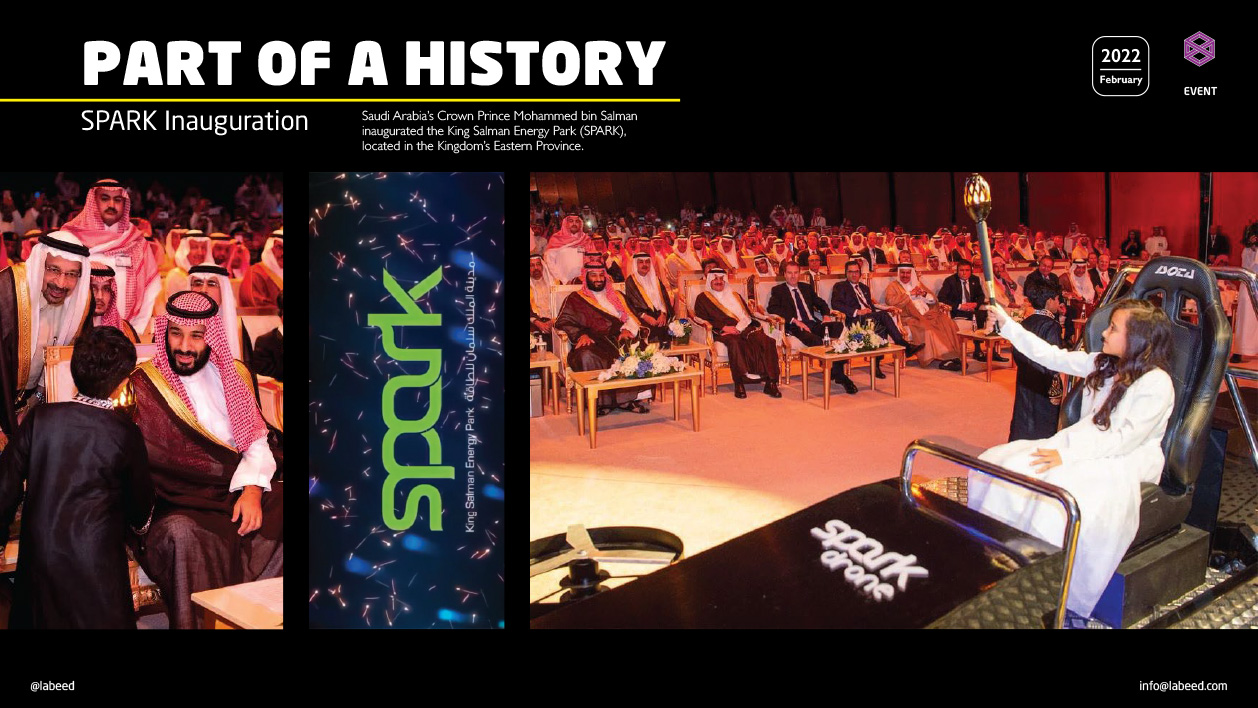
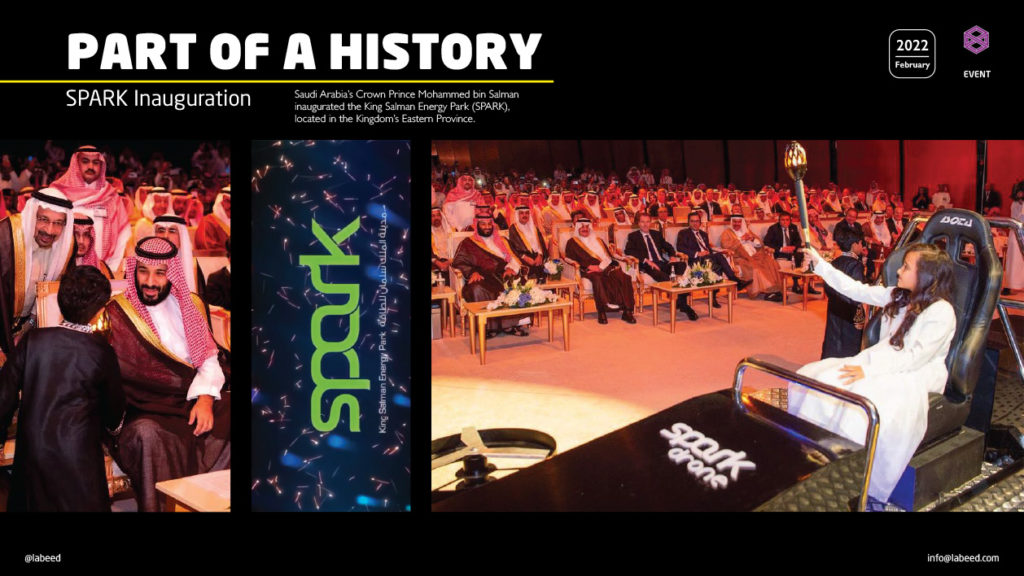
A separate but related evolution is occurring in the ceremonial and institutional events space. Saudi Arabia’s growing slate of national initiatives, royal-level gatherings, and government-facing activations has created a distinct and highly demanding category of event delivery.
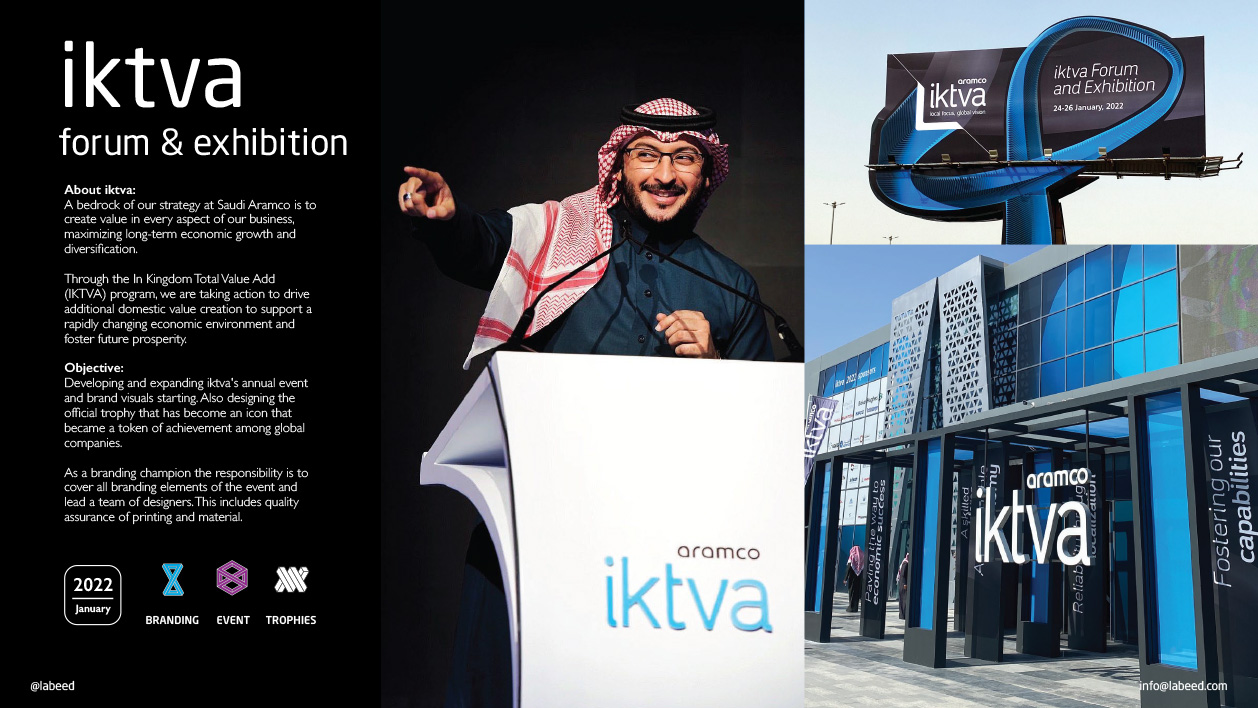
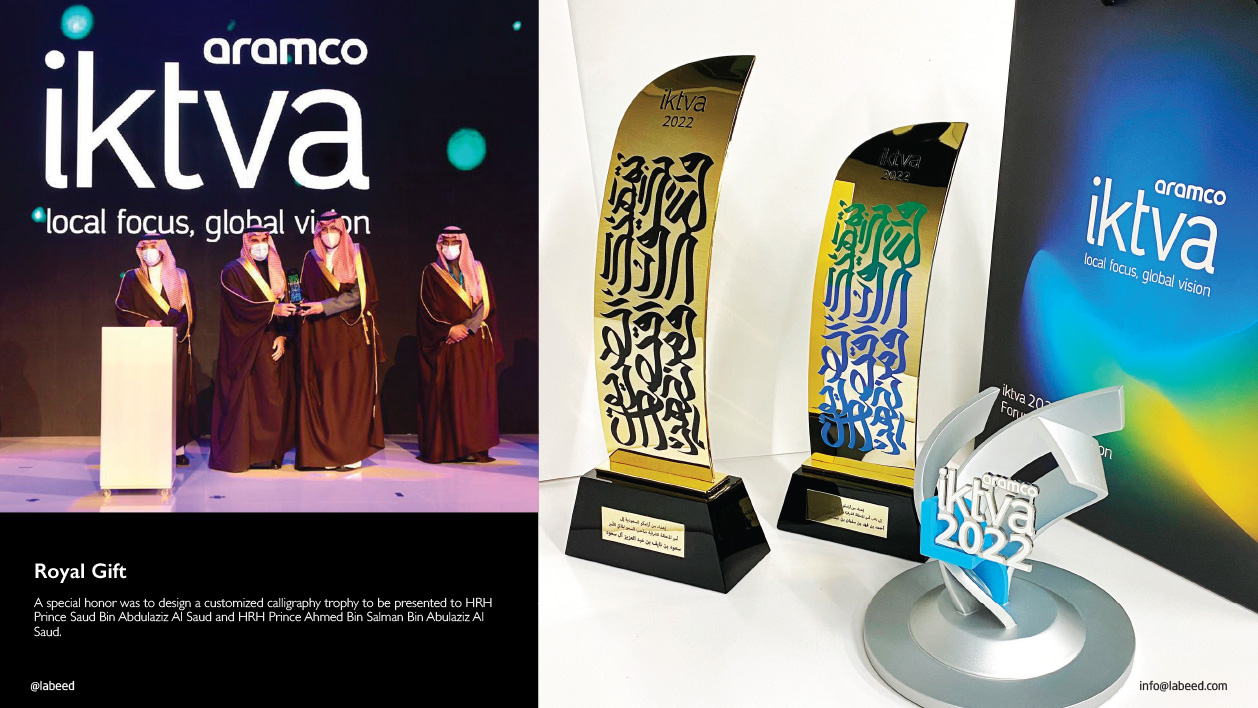
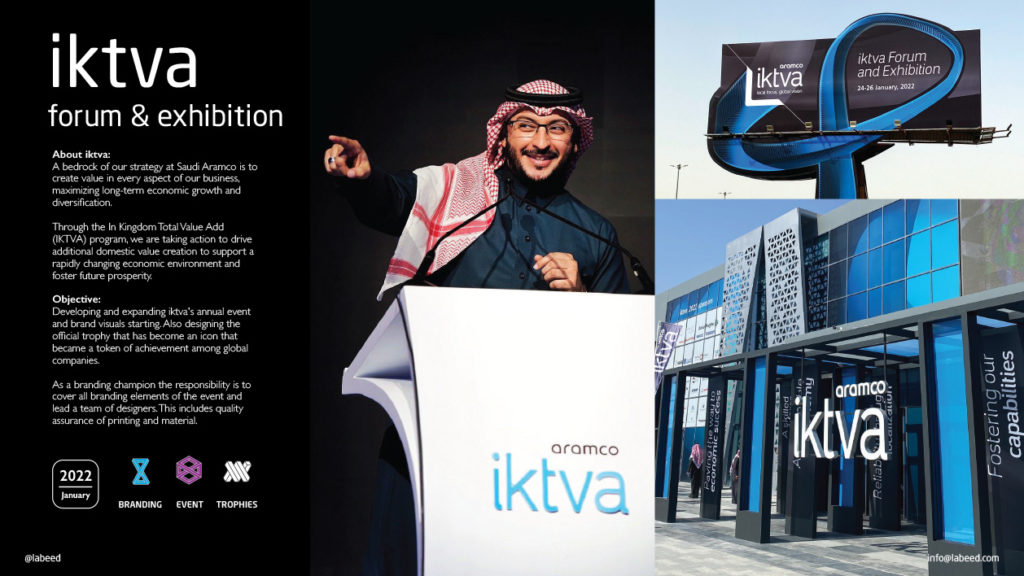
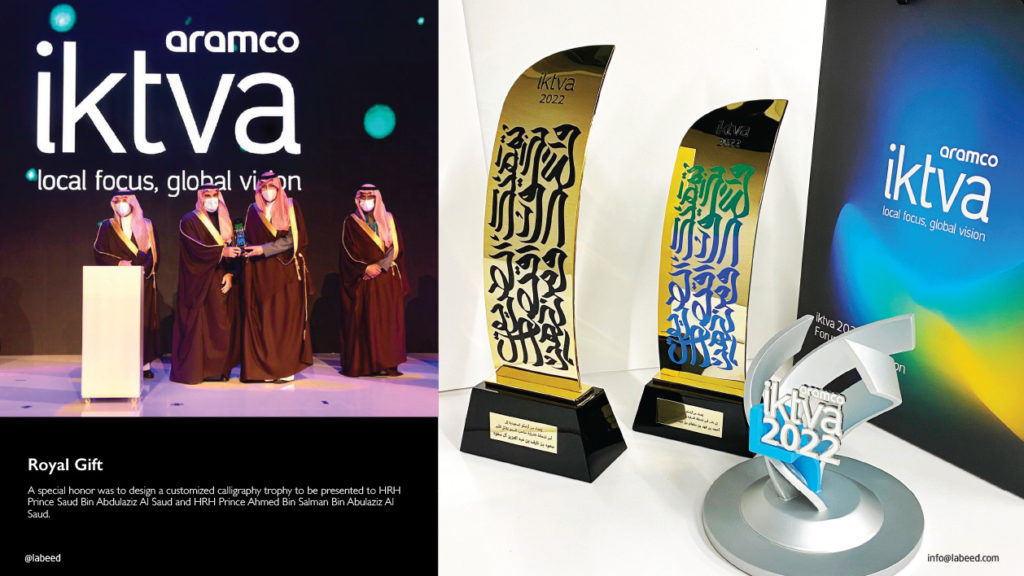
The IKTVA Forum and Exhibition, one of Saudi Arabia’s most significant industrial and investment events, is a direct example of this standard in practice. Over multiple years heading the branding for this forum, attended by HRH the Prince of the Eastern Province and senior figures from the global energy industry, the margin for error was effectively zero. Every visual system, every content element, every spatial identity decision had to hold under the scrutiny of protocol-sensitive environments where brand execution and institutional credibility are inseparable.
What this category of event demands is not simply technical competence. It demands the ability to translate leadership vision into a precise execution framework, to hold creative ambition and institutional requirements in balance, and to maintain brand integrity under conditions where a single point of failure carries reputational consequence far beyond the event itself.
The professionals developing this capability in Saudi Arabia are building a genuinely rare skill set. Protocol-sensitive experiential delivery at scale is not common anywhere in the world. The concentration of it currently developing within the Kingdom’s events industry is worth recognizing.
The Branding Layer: Where Strategy Meets Space
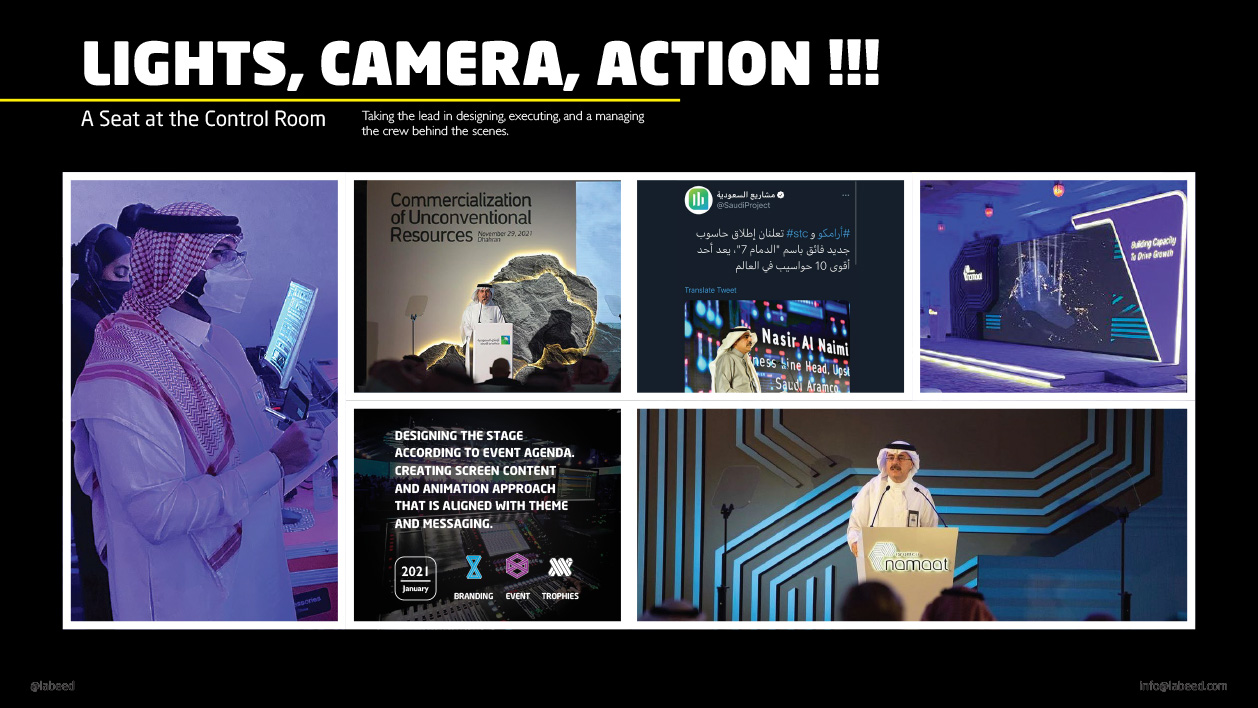
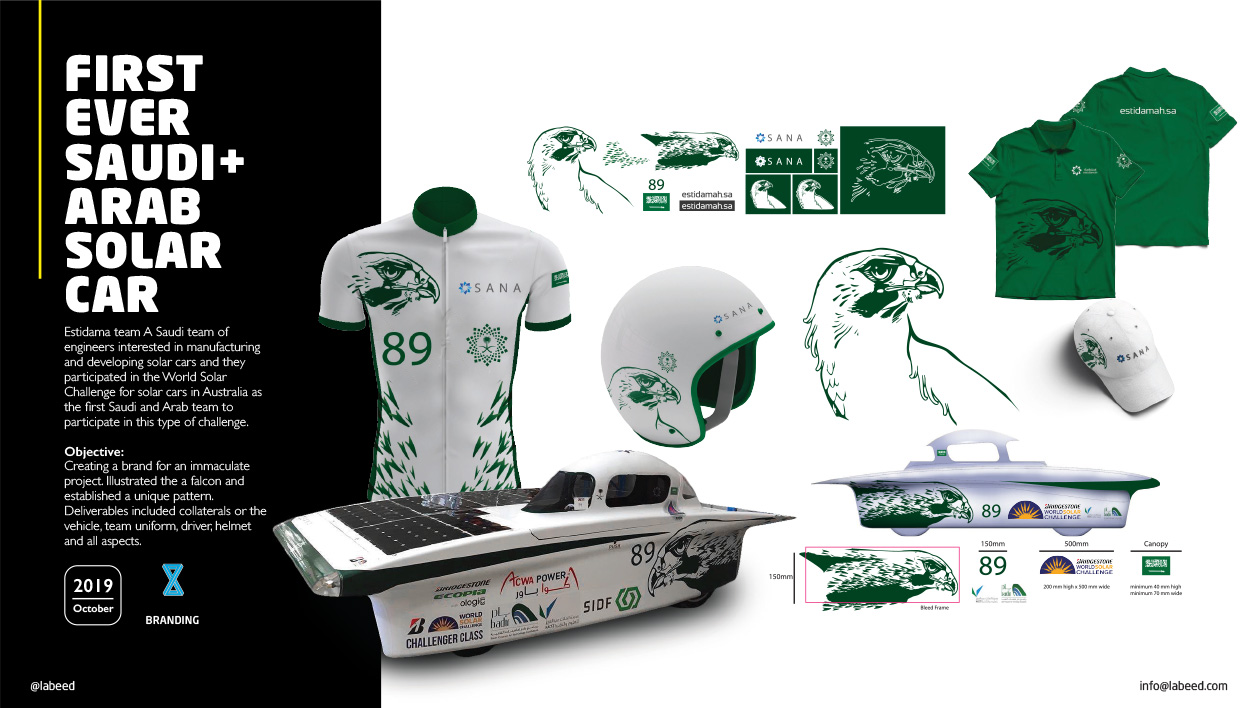
Across both the exhibition and the ceremonial event categories, the most consistent professional gap I have observed is between brand strategy and spatial execution.
Organizations invest considerably in brand architecture, visual identity systems, and tone of voice development at the conceptual level. The strategic positioning work is often strong. Where it breaks down is in the translation from document to environment: how the brand behaves in three-dimensional space, under different lighting conditions, at different points in the guest journey, and in the context of a live audience that is making judgments in real time.
This is the discipline of experiential branding, and it is still developing within the Saudi market. The gap is closing, but it remains a meaningful differentiator for organizations that close it deliberately.
The practical implication is that the most impactful events of the next five years in Saudi Arabia will not necessarily be the largest. They will be the ones where the brand narrative, the spatial design, the attendee experience, and the operational execution are integrated from the outset, where the strategy and the staging room are in the same conversation.
What This Means in Practice
For event professionals and brands operating in or entering the Saudi market, three implications are worth carrying into the next brief:
Integration cannot be delegated. The organizations achieving the strongest results are those where brand, events, and communications teams share a single strategic framework from the earliest planning stage. Bringing brand into the conversation after the floor plan is drawn is the single most common and most costly error in exhibition and experiential delivery.
Vendor selection is a strategic decision. The maturity of the Saudi market now demands agency and production partners who can respond to an experiential brief, not just a technical specification. Evaluating vendors on execution capability alone, without assessing strategic alignment, consistently produces environments that look finished but feel hollow.
The guest journey is the deliverable. Square footage, production value, and visual scale are inputs. The sequence of perceptions the visitor moves through from arrival to departure is the actual output. Planning backward from that sequence, rather than forward from the budget, is the discipline that separates the strongest events from the rest.
Talent, Capability, and the Maturing Ecosystem
There is a final dimension to this story that is easy to underestimate from the outside: the pace at which local professional capability is developing.
The events and exhibitions sector in Saudi Arabia is no longer primarily an imported service. There is now a generation of practitioners who have worked at the highest levels of national event delivery, who understand protocol and brand governance and experiential technology, and who are building institutions, agencies, in-house teams, professional associations, capable of sustaining this standard.
The Saudi Exhibition and Conferences Association’s growing engagement with practitioners at the working level, including advisory sessions I have contributed to on protocol design in events, reflects an industry that is institutionalizing its knowledge, not simply accumulating experience.
This matters for regional clients and partners. The capability they can now access locally in Saudi Arabia, across exhibition strategy, ceremonial planning, brand activation, and experiential design, has reached a level of sophistication that changes the conversation about what is possible and at what speed.
A Closing Observation
Saudi Arabia’s transformation in the events and experiential space is not primarily a story about infrastructure, though the infrastructure is real and significant. It is a story about professionalization: the gradual, methodical development of a discipline that treats the guest journey as a strategic asset and the live experience as a form of brand communication.
What is worth stating plainly is this: the Kingdom is no longer a market learning from elsewhere. It is a market generating standards that the wider region would benefit from studying. The combination of protocol discipline, brand rigor, experiential ambition, and rapidly maturing local talent makes Saudi Arabia one of the most instructive environments for event professionals working anywhere in the GCC today.
The organizations and professionals driving this shift are not waiting for a template from elsewhere. They are writing one.
Labeed Assidmi is a Senior Brand, Events and Marketing Operations Leader with over 20 years of experience across Saudi Aramco and Retal Urban Development, specializing in brand governance, large-scale exhibitions, protocol-level events, and experiential strategy. He is based in the Eastern Province of Saudi Arabia.