

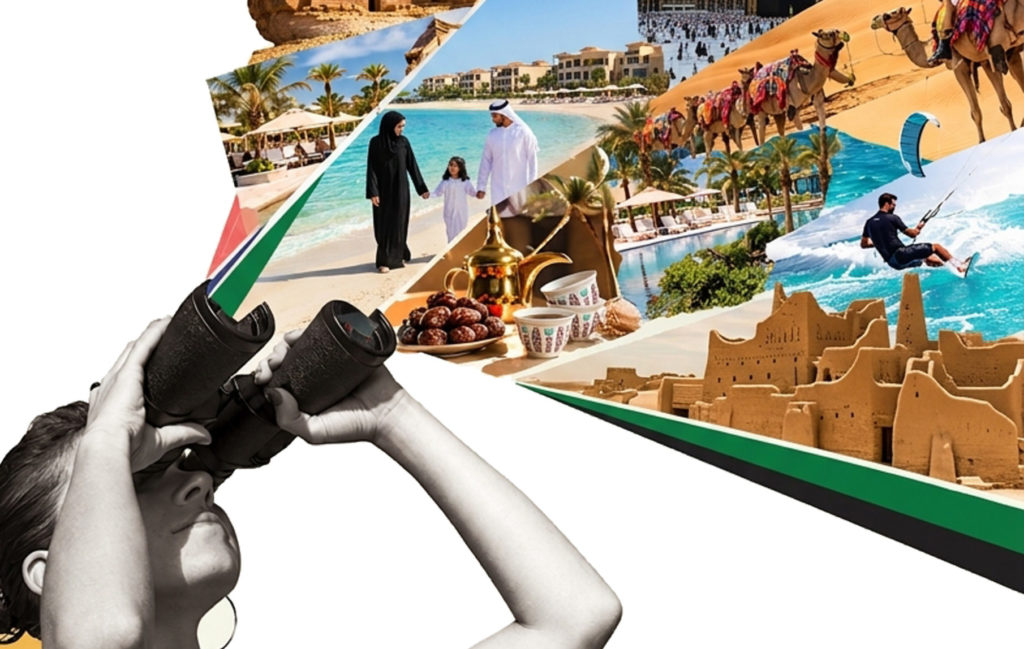

Saudi Arabia right now makes a very strong and ambiguous impression. Our company works closely with this destination, and I can say honestly: this is a country that simultaneously impresses, enchants and confounds. Which is exactly why writing about it as just another promising direction would be wrong. Saudi Arabia is an entirely different product, with a different logic, different infrastructure and fundamentally different operational realities.
The country is in the midst of an enormous transformation, and that is precisely what makes it interesting. There are already impressive destinations: Riyadh, Jeddah, AlUla, the Red Sea, new desert and island resorts. But it is important to understand that the country is developing unevenly. Saudi Arabia today is more a network of strong destination hubs than a fully formed tourism destination in the conventional sense. Between these hubs lie vast distances and a great many blank spots on the map.
Three Destinations, Three Different Products
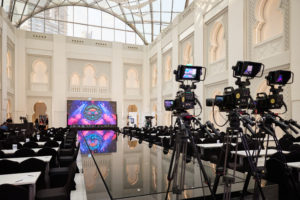
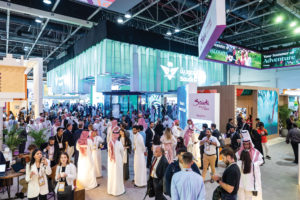
Riyadh feels like a powerful business centre. The capital, government events, large conferences, exhibitions, corporate events for several thousand people, ballrooms of extraordinary scale. The city lives at high intensity, and the traffic here is such that it absolutely must be factored into any logistical planning. For large-format MICE projects, Riyadh is a strong destination. For the programme side, there is plenty to show: Diriyah is the ancient heart of Saudi Arabia, where the country’s story began, and the modern King Abdullah Financial District gives a sense of just how large the ambitions are. A programme can look compact and rich: the conference part at a hotel in the city centre, followed by a visit to the old or the new city, dinner at a good restaurant, and the evening feels both substantial and complete.
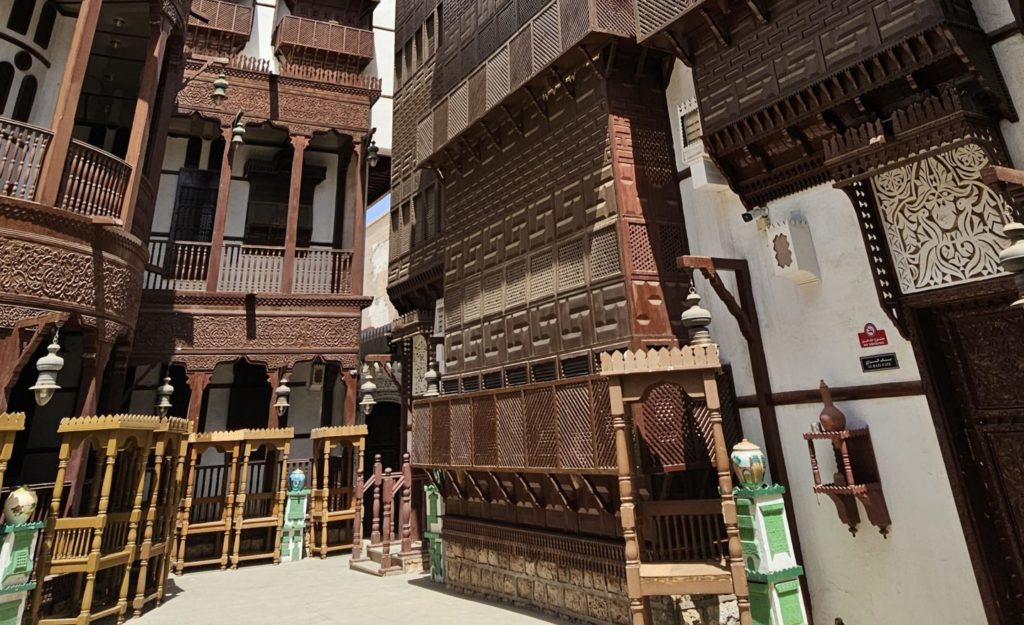
Jeddah has an entirely different atmosphere. A port city on the Red Sea coast, historically tied to Hejazi culture, it feels softer and more open than Riyadh. The Hejaz was a crossroads of trade routes, pilgrimage and cultures for centuries, and that can still be felt in the atmosphere of the city, in its architecture and in the way people communicate here. Al Balad is a UNESCO-listed historic district where you can spend hours simply walking through narrow streets. Taibat Museum is another stunning location, less well known, but one that stays with you long after the visit. For groups, a yacht cruise on the Red Sea is a perfectly viable and very beautiful option to include in a programme.
AlUla: A Different Planet
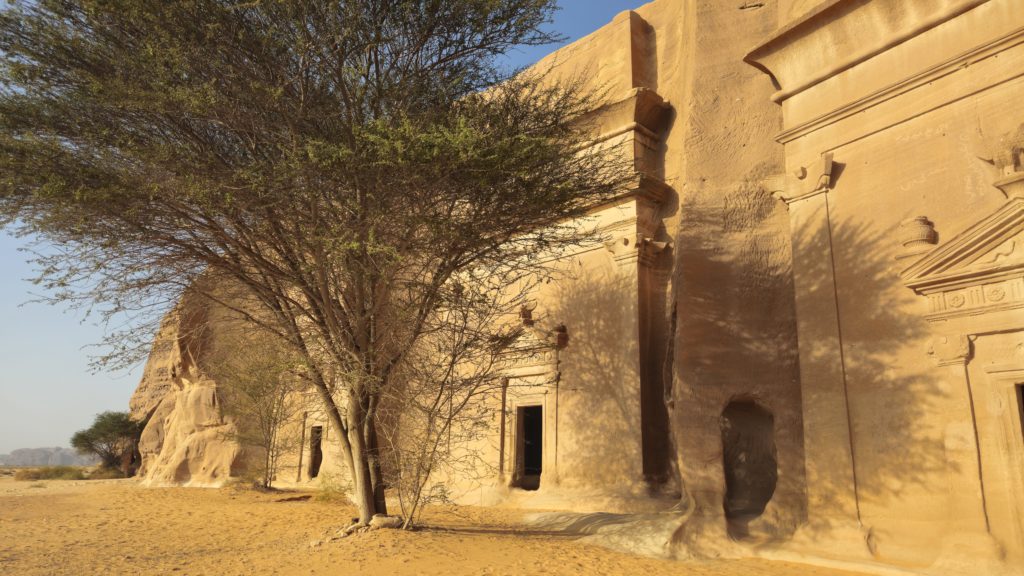
AlUla is a conversation of its own, and perhaps the most emotional part of any Saudi itinerary. A town with archaeological layers six thousand years deep, towering rock formations, fractured sandstone canyons and absolute silence at night. The landscapes recall science fiction – Tatooine, Mars, another planet entirely. But this is real Earth, and here you can not only marvel but also host events.
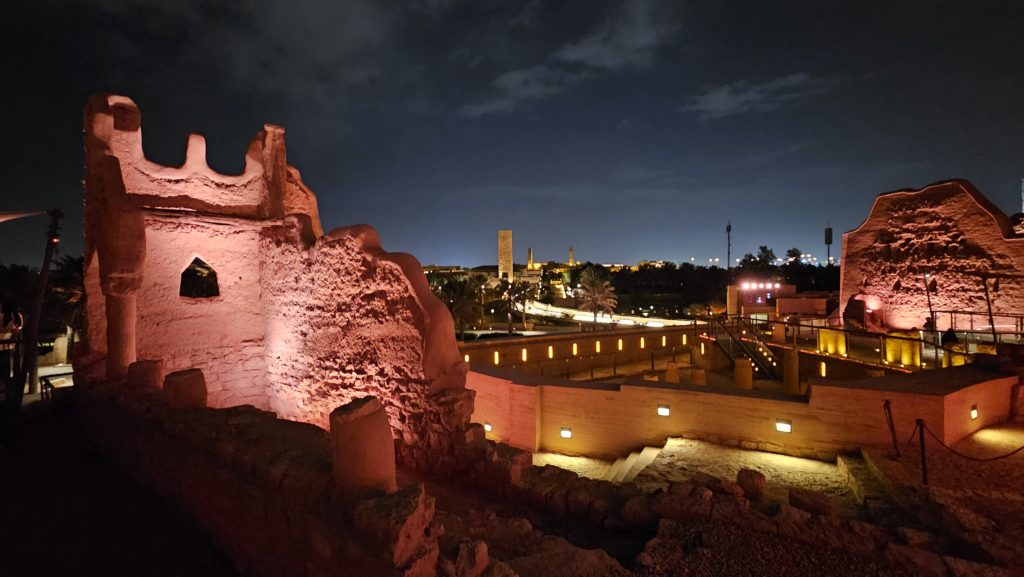
Hegra is Saudi Arabia’s first UNESCO World Heritage Site. A Nabataean city from the first century BCE: tombs carved into rock faces, caravan routes, singing sands. It is the kind of experience after which many other destinations begin to pale. Nearby stands The Chedi Hegra, a hotel built within the old Hedjaz Railway station dating from 1908. Before this railway existed, the pilgrimage route from Damascus to Medina took forty days; with the train, it took four. Today the historic buildings have been restored and woven into the hotel’s concept: the former station has become a restaurant, and a vintage steam locomotive stands inside. Living within the space of a historic railway is an experience difficult to replicate anywhere else.
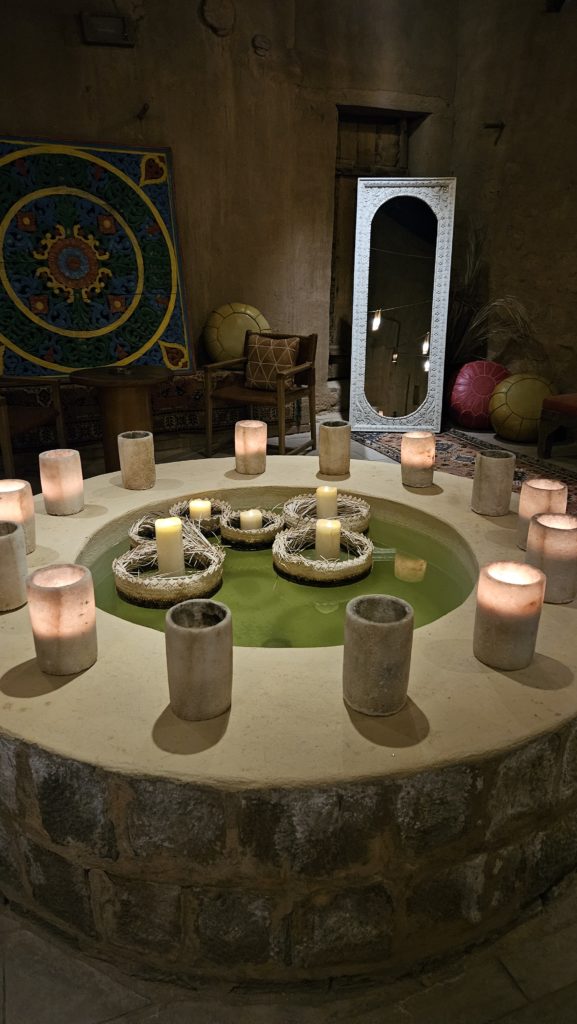
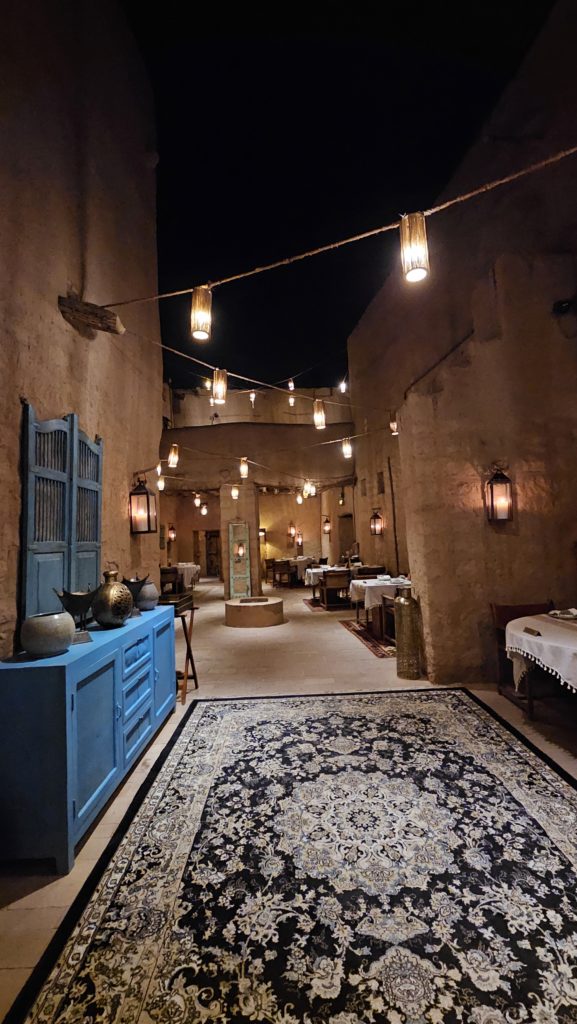
Dar Tantora is a hotel situated directly inside the old town of AlUla, whose walls are approximately eight hundred years old. There are just thirty rooms, each one unique. Eighty per cent of the lighting comes from candles – around eighteen hundred are lit every day. There is a Star Gaze Sleeping category: a terrace with a bed under the open sky, where you fall asleep looking at the stars. The restaurant Joontos offers an unexpected fusion of Saudi and Spanish cuisine, noted in the Michelin Guide. There is no unnecessary noise here – only an atmosphere that cannot be reproduced anywhere else.
Banyan Tree AlUla is a luxury resort fully immersed in the desert, where villas are carefully integrated into the landscape rather than imposed upon it. Our Habitas AlUla is a warmer, lifestyle-oriented product with a Mexican influence in its concept, where there are no televisions in the rooms on principle: travelling to AlUla to watch television would simply be wrong.
Maraya: A Mirror Building That Is More Than a Building
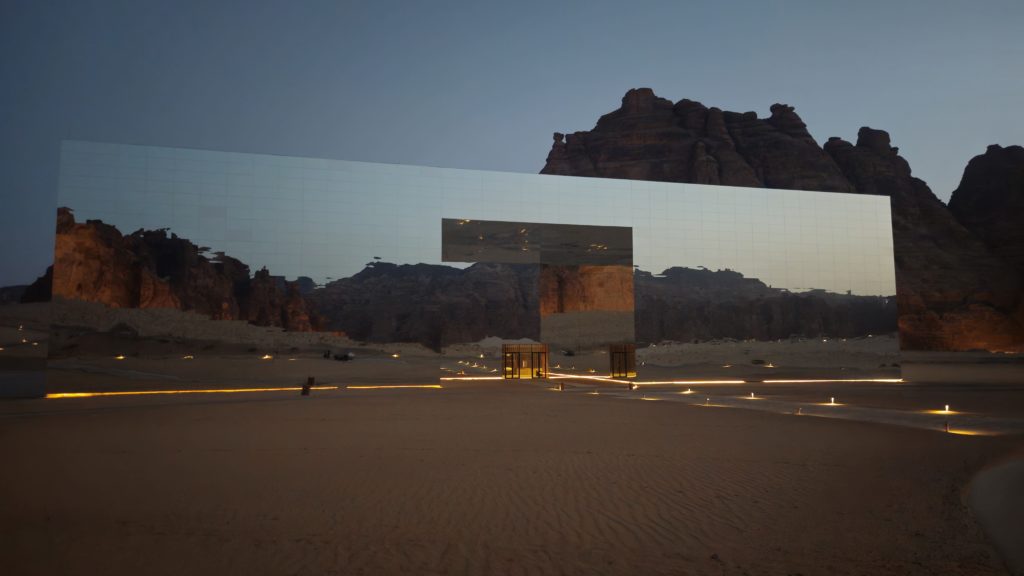
Maraya means “mirror” in Arabic. It is the largest mirrored building in the world, a fact officially recognised by Guinness World Records. A structure of 9,740 mirrored glass panels that quite literally dissolves into the rock canyon of Ashar Valley. As you approach, you begin to doubt your own eyes: the building seems to vanish, then suddenly materialises again.
But Maraya is not merely a visual landmark. It is a fully operational event venue, and one of the most unusual in the world. It has hosted concerts by Andrea Bocelli, Alicia Keys and John Legend. Inside, there is a five-hundred-seat auditorium, a dedicated conference floor, vast foyers and a stunning twenty-six-metre floor-to-ceiling glass façade that opens fully to reveal panoramic views of the valley. The building contains more than twenty-five spaces of varying capacity, from intimate rooms to large-scale areas for corporate events, dinners and presentations. It is no coincidence that Rolls-Royce and Cartier chose Maraya as the backdrop for their campaigns.
Maraya Social, the restaurant inside the building, opens strictly at 12:30 and closes relatively early, making it primarily a lunch option. Prices start from 550 SAR per person, with options up to 700 and 900 SAR. Expensive, but this is one of the top dining spots in AlUla. Entry without a prior reservation is not possible. For a group programme, lunch at Maraya Social works beautifully as the conclusion to a morning itinerary, after visiting Hegra or Elephant Rock.
The Red Sea and the Desert: A New Luxury That Doesn’t Overpower Nature
The Red Sea is a destination with an extraordinary natural resource: crystal-clear water and some of the richest coral reefs in the world, an underwater realm that leaves you in silent awe. But the infrastructure is still developing in pockets, and comfortable access to the sea is most often linked to controlled resorts. Beyond these zones, public beach culture remains at an early stage.
Logistics on the Red Sea and Shura Island deserve special mention. Transfers are centralised through a single operator, with dedicated Mercedes EVs and a single pick-up point at Turtle Bay. Arranging a transfer independently is not possible: everything goes through the hotel or DMC. Even with all documents in order, delays at checkpoints are possible. For a professional, this is not alarming information but simply a part of planning that needs to be taken into account.
The desert and cliff-side hotels in the Red Sea region deserve particular attention. They embody an entirely new understanding of luxury: not one that conquers nature, but one that integrates into it.
Desert Rock is a hotel whose rooms are literally built into the rock face. This is not a “hotel in a beautiful location” but architecture that has grown from the landscape and submits to it. There is a listening room with vinyl records and Bang & Olufsen, dinner among illuminated rock formations, and at the summit, six hundred steps up to a viewing platform with the Gigi bar and a view that is worth the climb while your legs can still carry you. The feeling is of being on another planet, where rock formations, lighting and the sheer scale of the space become the ultimate luxury.
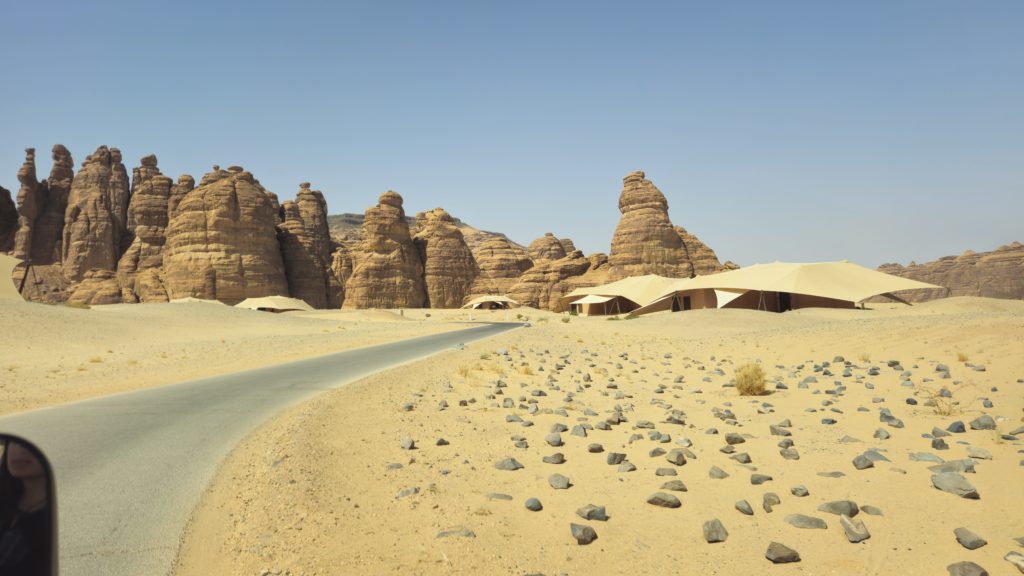
Six Senses Southern Dunes is not simply a desert resort but a fully realised wellness and longevity destination, designed by Foster + Partners. The central zone resembles a living oasis in the desert: dramatic shade canopies, like giant leaves, create shadow and microclimate. Beneath them lies the spa, in essence the heart of the entire property. The menu includes wellness screening with biomarker analysis, sleep management programmes using sleep trackers and yoga nidra, a biohacking section with infrared therapy and compression systems, and an Alchemy Bar where guests create their own body scrubs from local herbs and spices known since the time of the Nabataeans. The welcome drink here is kombucha, not champagne, and in that, perhaps, lies the entire philosophy. Silence, darkness and stars become part of the experience. When the light pollution disappears, the sky draws closer on its own, and you suddenly understand that sometimes the greatest luxury is not adding more impressions, but removing what is unnecessary.
The new understanding of luxury in Saudi Arabia is especially visible here. The old luxury meant “man conquers nature.” The new one increasingly means “man has learned to exist within nature without destroying it.” Rocks are not levelled, the desert is not transformed into an artificial city. Architecture defers to the landscape, and that is precisely what makes these places so powerful.
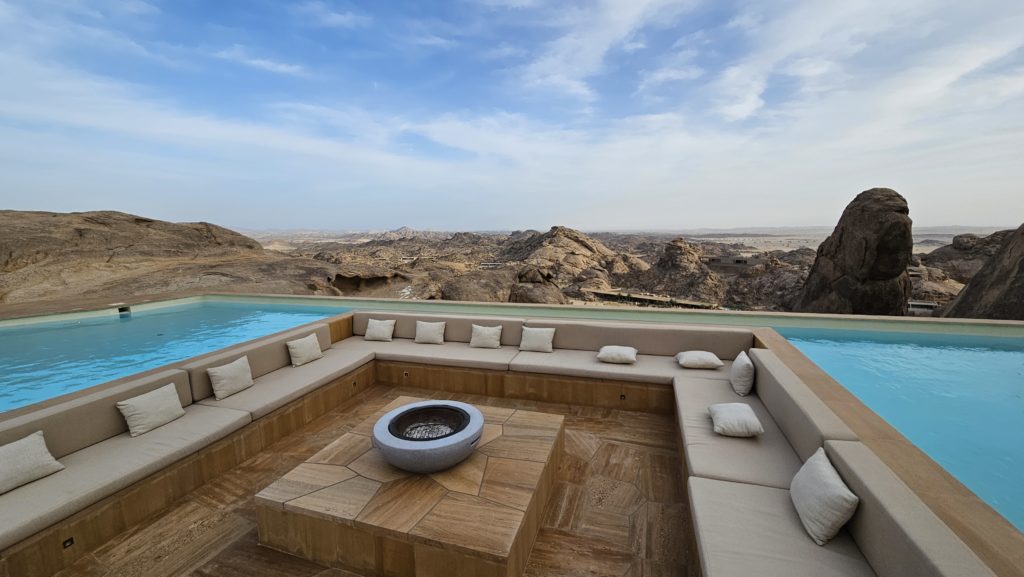
Controlled Access: Limitation or Philosophy
One of Saudi Arabia’s systemic features that immediately stands out is controlled access. Many locations simply cannot be reached by turning up unannounced. Ashar Valley, home to Banyan Tree, Our Habitas and Maraya, has security at the entrance checking passes. Dar Tantora sits within a heritage zone and also requires clearance. At KAEC (King Abdullah Economic City) an entry pass through the official website is needed, and Yam Beach charges separately: 70 SAR on weekdays and 100 SAR at weekends. Six Senses and Desert Rock also require advance passes.
At first glance this looks like a limitation, and operationally it does create additional work. But behind it lies a different logic: Saudi Arabia is not building mass tourism. It is building curated destination ecosystems: an environment in which everything is managed and everything is considered. For the right client with the right expectations, this is not a complication but an exclusivity that cannot be created in conventional tourist destinations.
Alcohol, People, Language
Saudi Arabia remains a dry destination. Alcohol is not served in any hotel, any restaurant or at any event. For incentive groups, gala dinners and corporate programmes, this must be factored in early and discussed honestly with the client before planning begins. In central Riyadh, a single legal alcohol shop now operates, but access is restricted to diplomats and some non-Muslim Premium Residency holders, not ordinary tourists. Discussion around limited legalisation in luxury resorts is ongoing, but for now it remains unrealised, and Saudi Arabia will most likely follow a model of “highly controlled luxury enclaves” rather than “Dubai 2.0.”
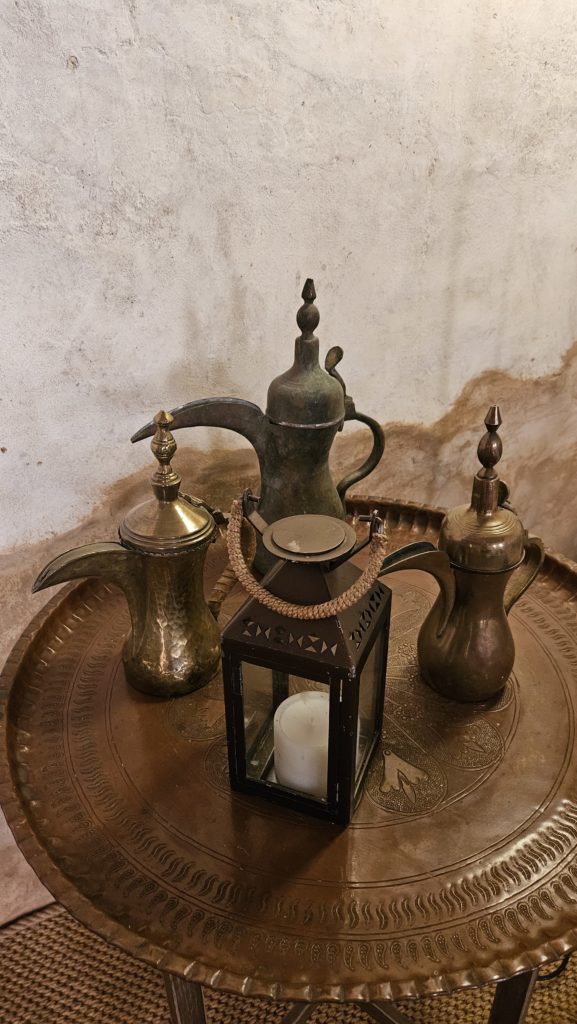
In place of alcohol culture, something different is developing: Saudi coffee, tea rituals, wellness drinks, spa and retreat experiences. For an audience seeking not nightlife but a reset, this is a potentially very compelling destination.
The people deserve a separate mention. The sense of safety is high, and people are open and warm, and this is one of Saudi Arabia’s greatest strengths, and one that genuinely stays with you. But English drops off sharply beyond major cities and luxury environments. Even basic Arabic proved to be an unexpectedly important tool in many non-standard situations: from negotiating with drivers to resolving issues at checkpoints.
Distances and Logistics
Saudi Arabia is vast. Riyadh to Jeddah is approximately eleven hours by road. Jeddah to the Red Sea coast is five to six hours. The Red Sea to AlUla is another four. For groups and VIP clients, movement between key points is best arranged through internal flights rather than ground transfers. The exception is the Red Sea to AlUla road segment, which is interesting in its own right as part of a programme. One more practical point worth bearing in mind: internet connectivity between cities is not always stable, and for production teams and hybrid events this needs to be planned for in advance.
Who This Destination Is For, and Why It’s Worth a Look
Saudi Arabia currently works best for formats where uniqueness and memorability matter more than the number of activities. Incentive programmes, VIP and luxury FIT, corporate trips with an emphasis on cultural experience: this is the audience for which Saudi Arabia is an excellent fit, and this kind of format is particularly well suited to AlUla. For large standard MICE groups, Riyadh and Jeddah are the strongest options, offering scale, venues and infrastructure for major conferences.
The country is in the process of being built. Infrastructure is growing quickly but unevenly. Suppliers are learning to serve the group segment, and transport, catering and equipment are all still developing. But it is precisely here, in this window, that experience working in the region gives a significant advantage: a great deal is resolved through connections, through understanding local specifics and through knowing how the market actually works from the inside.
To arrive in Saudi Arabia with templates is to leave disappointed. There is no “like Dubai” or “like Oman” here. What exists here is something found nowhere else: a country transforming before your eyes. And if you approach it with the right expectations and the right partners, it delivers an experience that is not forgotten.
The destination is still being written. Come now, and write your own chapter.