


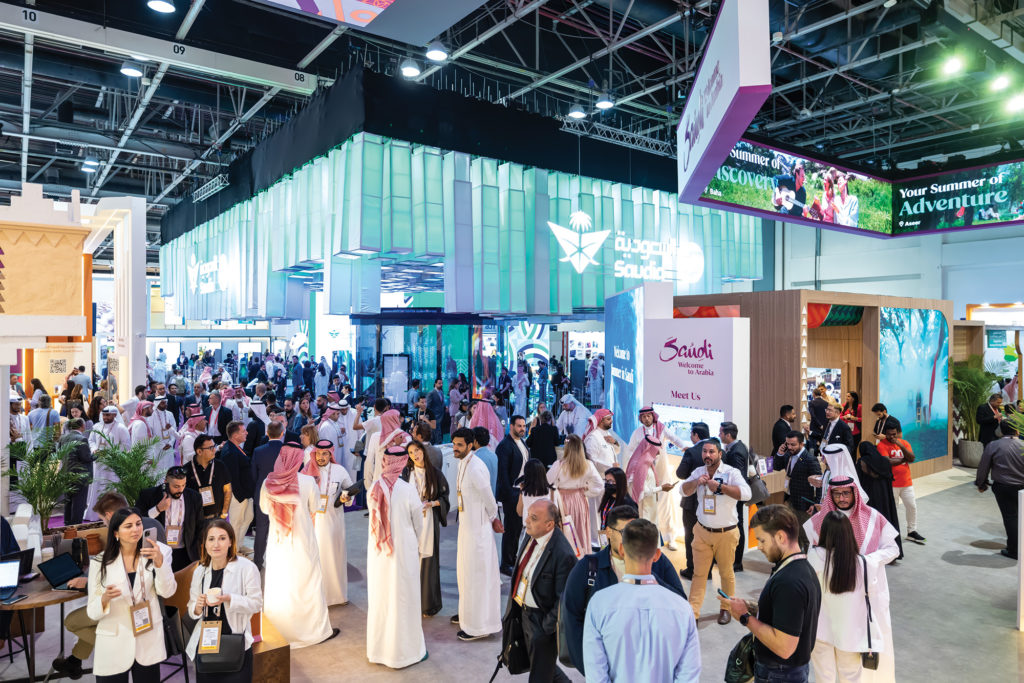

ATM as a market indicator, not a showcase
For professionals working in MICE, ATM should be viewed as a snapshot of the industry’s current state rather than a promotional event. It reveals:
- which countries are genuinely investing in MICE infrastructure;
- which destinations are competing for association congresses and large-scale corporate events;
- which formats are considered viable in the medium and long term.
Decisions are rarely made on the spot at ATM. Instead, this is where strategic conversations begin, often turning into confirmed projects 6–18 months later: conferences, incentive programs, roadshows, and international forums.
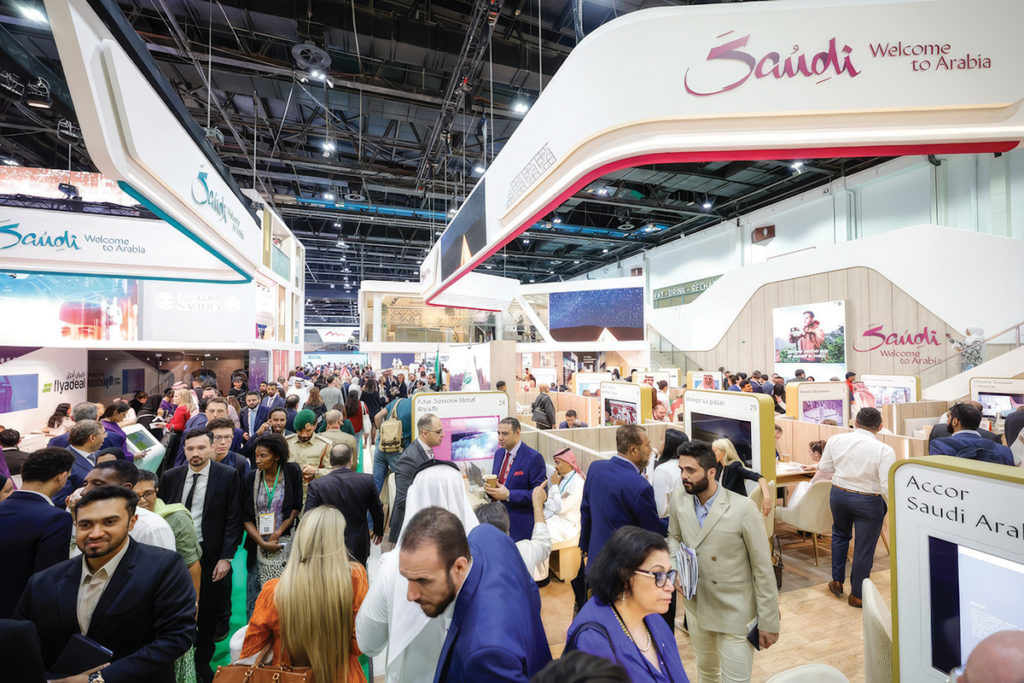
MICE in the GCC: a strategic language
The GCC no longer treats MICE as an add-on to tourism. This shift is especially visible at ATM.
Discussions increasingly focus on:
- delegate volumes and scalability,
- association requirements,
- logistics, visas, permits, and compliance,
- hybrid and multi-city event models.
The UAE, Saudi Arabia, Qatar, and Oman now approach MICE as a tool for economic positioning and international influence, not simply hospitality. ATM is the environment where these strategies are tested against real market interest.
Who truly benefits from ATM
ATM is not equally relevant for everyone.
It is essential for those who:
- work with international corporate and association clients,
- develop DMC or MICE divisions within hotels,
- build cross-market partnerships,
- focus on scalable, long-term growth rather than one-off events.
For professionals operating strictly within local or short-term event cycles, ATM’s practical value is significantly lower.
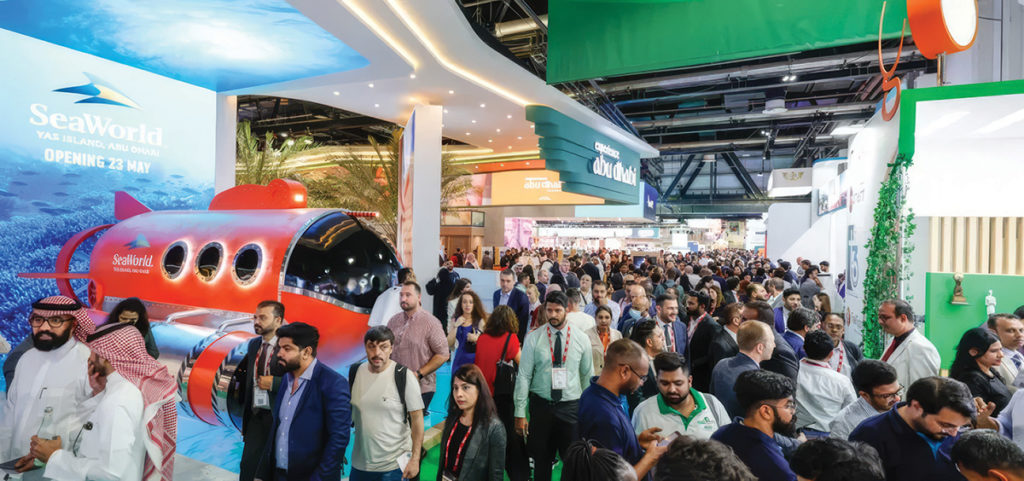
What hotels and DMCs actually sell at ATM
Hotels at ATM are not selling ballrooms or room inventories. They are selling predictability, capacity, and operational reliability.
DMCs are not selling entertainment concepts, but:
- process control,
- regulatory understanding,
- the ability to operate in alignment with governmental and institutional stakeholders.
This becomes clear when observing the nature of negotiations rather than the visual design of stands.
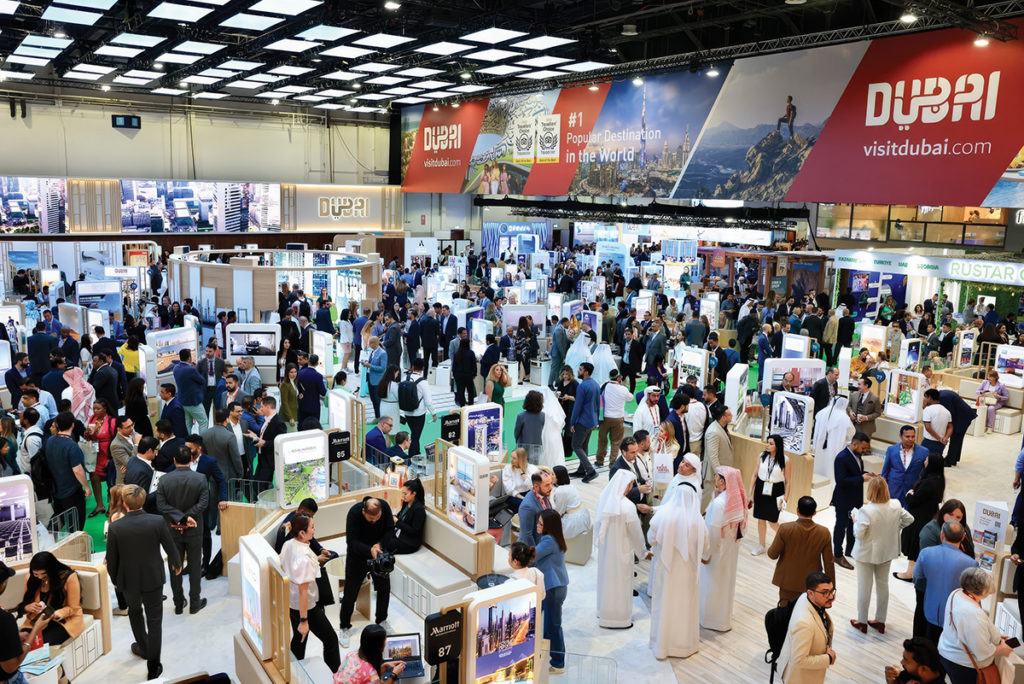
Networking without illusions
One of the most common misconceptions about ATM is the expectation of immediate results. The GCC MICE market does not function that way.
ATM is about:
- initiating dialogue,
- aligning expectations,
- establishing trust.
The outcomes are delayed – but these relationships are what create stable, repeatable business rather than transactional success.
Why ATM matters now
The GCC MICE market is entering a phase of:
- stronger regulation,
- clearer standards,
- deeper integration into national strategies.
In this context, ATM acts as a shared professional space where the industry aligns – implicitly – on future rules and priorities.
Conclusion
Arabian Travel Market is not a tourism event. It is a working instrument for professionals building MICE businesses in the GCC with a long-term perspective. For those who read the market rather than simply attend it, ATM offers insights far beyond what is visible on the surface.





