


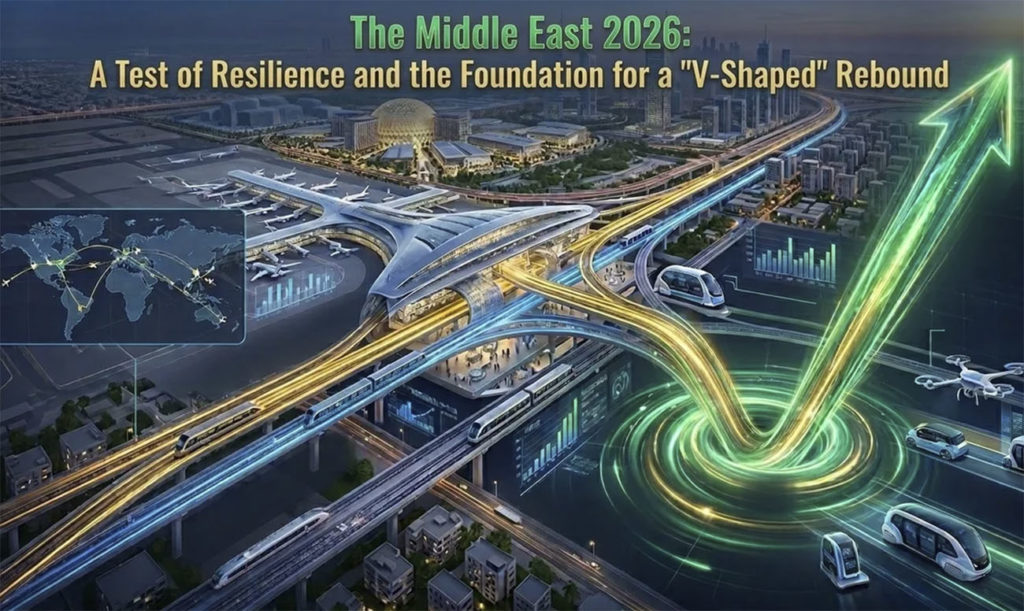

1. Infrastructure Breakthrough: Dubai Bets on Connectivity
While external observers focus on risks, UAE authorities continue to implement long-term projects designed to permanently transform city logistics and reduce traffic congestion.
- The Metro Gold Line: The official announcement of the new Gold Line has served as a key signal for investors. Together with the Blue Line currently under construction, it will create a seamless transport network connecting the city’s historic districts with new economic hubs.
- Etihad Rail: The launch of passenger rail services between the emirates and its integration with the metro network are intended to radically solve the traffic problem. This makes the region even more attractive for major international exhibitions by providing easy access to venues from anywhere in the country.
2. A Change of Scenery: A Temporary Pause in the Event Calendar
Indeed, the beginning of the year was marked by the rescheduling of several major forums (such as Rotary International 2027 and the Arabian Travel Market). However, the professional community views this not as a “burst bubble,” but as a necessary technical pause.
- Corporate Duty of Care: Companies are temporarily exercising caution by reviewing safety protocols. But as experts from Inloco Events and asembl.group note, the demand for high-quality venues has not disappeared – it is simply accumulating.
- Renovation as Strategy: The decision to undertake a large-scale restoration of the Burj Al Arab following the drone incident is a gesture of confidence. Market leaders are using the current lull to enter a new cycle of growth with an updated product.
3. The "V-Shaped" Recovery Phenomenon: Lessons from History
The Gulf region has repeatedly proven its ability to recover faster than almost any other market.
- Past Experience: Whether it was the 2008 financial crisis, regional conflicts of past decades, or the COVID-19 pandemic – Dubai has always demonstrated a classic “V-shaped” rebound. Effective governance and the availability of liquid capital allow the region to instantly regain its leadership as soon as external pressure eases.
- Forecast for 2027: The current slowdown is creating massive pent-up demand. Given the launch of new metro lines and the expansion of air travel, experts anticipate that 2027 could be a record-breaking year for delegate numbers and investment volume.
4. New Horizons: Technology and Safety
Rather than simply waiting for stabilization, the industry is embracing innovation:
- Safe Navigation: The use of AI to manage tourist flows and predict risks is becoming a standard.
- Transport Decentralization: Thanks to the new infrastructure (metro and rail), event organizers can now choose venues outside the congested city center, increasing the safety and comfort of logistics.
Conclusions: Investing in the Future
The current situation in the Gulf is not a systemic crisis, but a test of flexibility.
- Infrastructure as a Guarantee of Stability: New metro lines and the railway network create a margin of safety for decades to come.
- Justified Optimism: The region’s historical dynamics confirm that the current “pause” is merely preparation for a powerful leap forward.
- Dubai Remains a Center of Attraction: As long as there is the political will to build and continued investment in transport, UAE remains the most stable and promising platform for global business.
Verdict: For forward-thinking investors and event organizers, now is the ideal time to plan for 2027, when new transport arteries and renovated hotels will meet the wave of a “V-shaped” recovery.
Sources:
https://www.c-mw.net/war-in-iran-how-is-it-changing-travel-trends/
https://mice.net.au/rotary-international-moves-its-flagship-conference-out-of-the-middle-east/





