
EventMag(EM): Welcome, Anna. As the founder of AMZ Photographers Production and a veteran of the wedding industry, you have a unique perspective on event design. Can you share a brief overview of your background?
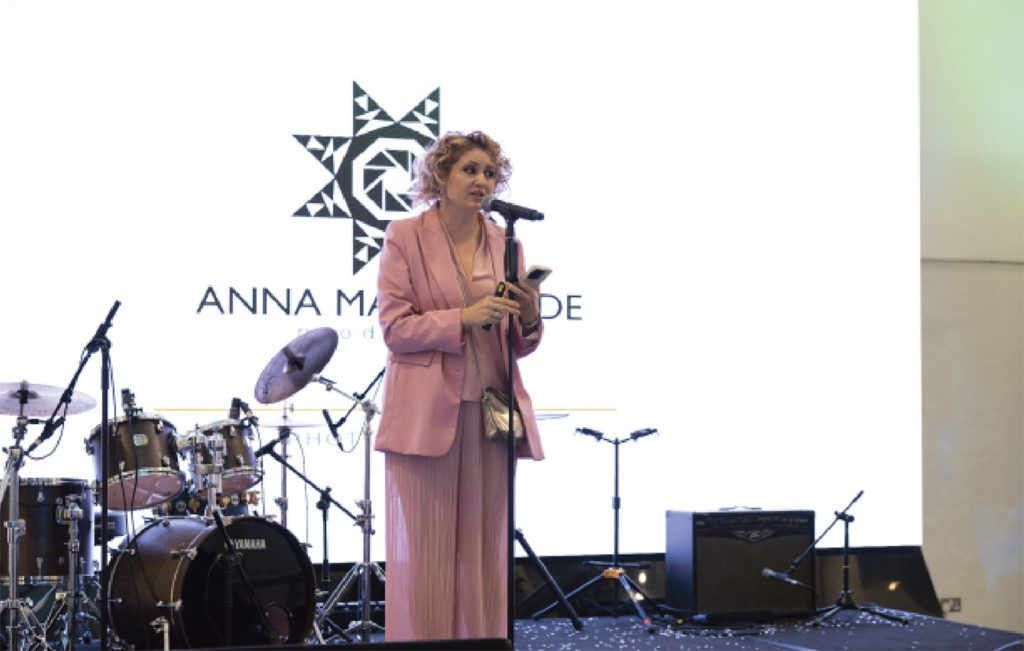
Anna Manaf-Zade (AMZ): Thank you. My name is Anna Manaf-Zade, and I am a wedding photographer. I have been in the wedding industry for nine years and have been living in Dubai for 12 years. Today, I am here to discuss the power of light and how it elevates your event to the top.
EM: Your presentation focused on a critical debate: the importance of light versus décor. What did you find when discussing this with clients and event pros?
AMZ: It’s a simple but very important subject. If you ask most clients—I believe about 90%—they will say that décor is more important than the light. However, in a conversation I had with an event planner, she stated the importance was 50/50. She felt that the lights were extremely important, not even 1% less important than the décor.
EM: And where do you, as a professional photographer, stand on this debate?
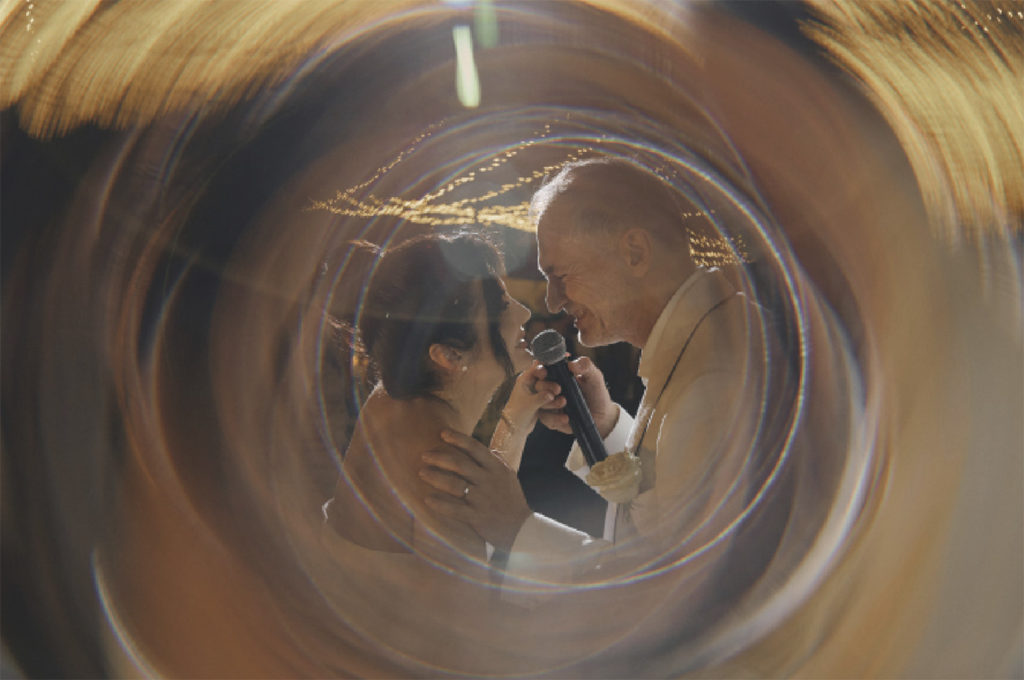
AMZ: If you ask me as a photographer, I will tell you that light is more important than the decor. The reasoning is straightforward: you, the decorators and event planners, can create the whole event just using light, resulting in a lighting décor without needing to add a single flower. This can be very beautiful. But if you create an elaborate décor and do not use light, nobody will simply see it. If you have the most luxurious décor in the whole world but lack light, it will never be seen or appreciated by the guests.
EM: That is a powerful assertion. Why is light so central to a photographer’s work?
AMZ: We photographers work exclusively with the light; it is our raw material. It is, in fact, the language we speak. Every time we shoot a décor setup, we can immediately tell if the lighting is elevating the décor or destroying it. This knowledge is critical and can help event planners, decorators, and the lighting team level up their projects.
EM: Can you provide a concrete example of how beautiful décor can be ruined by poor lighting choices?
AMZ: I have seen situations where there was beautiful décor, but because there was no light, nobody—not the cameras, not the guests—could enjoy the beautiful details and flowers that the florist made. The money invested by the client was lost. Another critical technical problem I see again and again is the use of mixed white color shades. White lights have different shades, such as warm white light or cool white light. If you use at least two colors that are far apart in the range, the decor will look “dirty” in photos and videos. Consequently, all those carefully selected shades of fabrics, flowers, and textures will be lost; they will not look the same as planned.
EM: You also gave an example concerning specific installations, like a catwalk or structure. What is the key lesson there?
AMZ: If you are planning structures or flower arrangements, you always have to plan the light together with these arrangements. For example, if there is a catwalk with special flower arrangements on both sides, but the light is only on the stage, the flowers on the catwalk will be in complete darkness. The guests will not appreciate them because they simply will not see them. If you don’t plan the light above the flowers, you could actually save the budget on those flowers because they will be invisible anyway.
EM: Budget is often the challenging part. When clients ask to compromise, arguing that lighting is too expensive, how can planners convince them that light is the last place to make a cut?
AMZ: This is the most interesting part, as the clients often feel they have paid for the food, the hotel, the flowers, and the structures, and thus “don’t need a light”. The explanation should bring their imagination to the theater. Theater does not exist without the light. When you put a light on people, it becomes a performance. As an event planner, every time you create an event, you create a theater, and you are supposed to follow those rules. Think of the big shows of major stars like Michael Jackson or Jennifer Lopez. If they didn’t have those huge lighting shows, they would not be big stars—it would just be a radio performance. The show truly starts when the light comes in.
EM: That analogy certainly frames the necessity clearly. What is your final message to the event industry professionals reading this?
AMZ: My purpose is to encourage you to never compromise on professional lighting. Understanding light, mastering it, and teaching its importance to our clients can truly transform the entire event industry. May our entire event industry grow and shine because of your vision and your dedication.