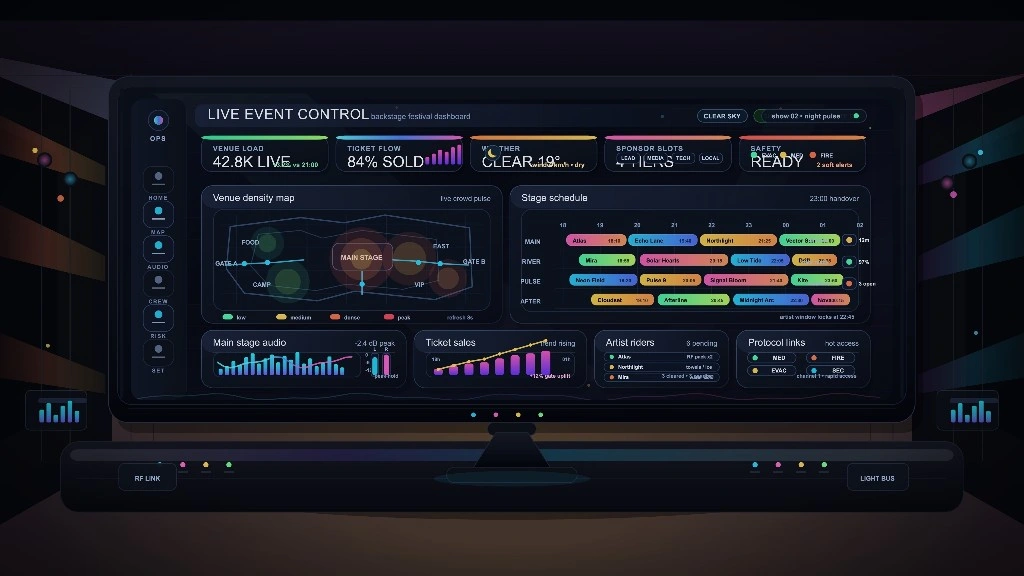

I have learned not to trust an event tool too early.
In planning, a system can look solid. The guest list is loaded, the agenda is uploaded, suppliers are confirmed, and the team is briefed. Everyone is working from the same information, and it feels under control.
Then the guests arrive.
That is where the real test starts.
Registration says the process is fine, but the desk feels slow. A speaker is marked confirmed, but backstage they look uncertain. A senior guest asks for a small change, and that change quietly touches protocol, timing, and the client’s comfort. It stops being just an update.
On site, the pressure is rarely operational. It is reputation, relationships, timing, and trust, moving at the same time. A ten-minute delay is nothing in one room and a real problem in another. A message might need to go out immediately, be handled quietly, or not be sent at all. Sometimes the client does not want an explanation. They want to see that the right person has command.
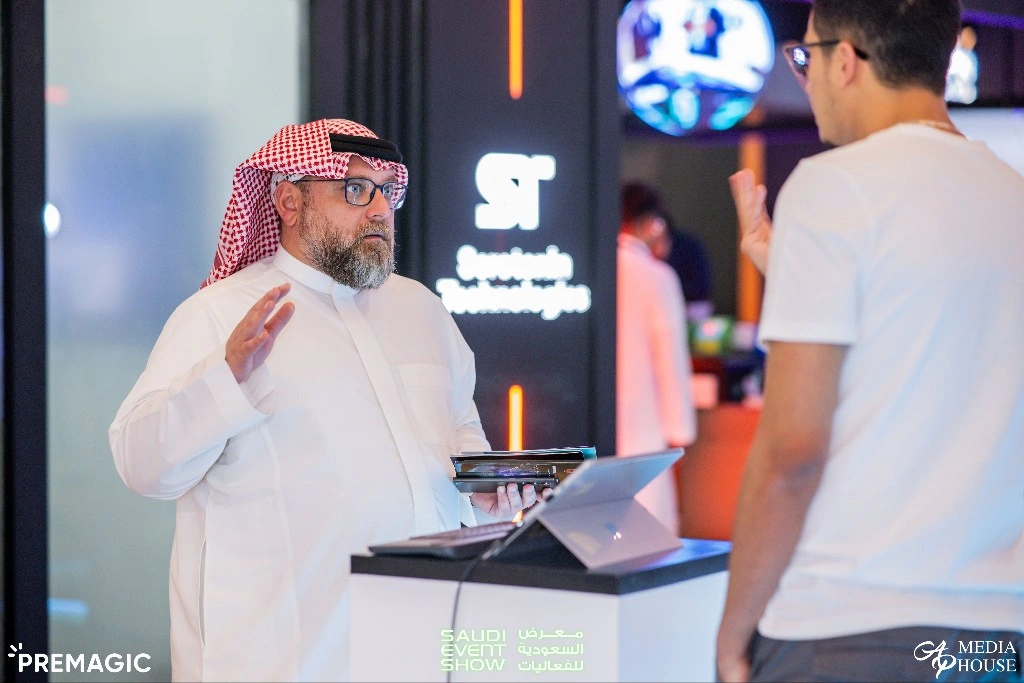
I saw this clearly during a major economic event in Riyadh, where the arrival time for a senior guest was moved closer to opening. Nothing in the system looked broken. The agenda, seating plan, and team notes were still in place. But in the room, the change touched protocol, speaker timing, client comfort, and the first few minutes of the event. The right call was to keep one person leading, adjust the flow quietly, and give the client only the update they needed. Most guests did not notice anything.
That was success.
None of this is an argument against technology. I use it for registration, reporting, communication, guest management, scheduling, and post-review. Complex events are harder to run without good tools. The best of them give the team one shared view and avoid confusion.
But the tool is not the event.
Some of the best calls on site are simple. One communication path. One person leading. One quiet change backstage. One direct word with the client. No extra layer. No new process.
The hall gives off signals that never make it into a report. You can see a queue forming before it turns into a complaint. You can feel attention starting to drop. You can tell that a speaker needs encouragement before the audience notices anything is wrong.
That is why tools need to be planned, not just bought. Every tool should enter an event with a clear reason, a clear owner, and a backup the team can fall back on without debate. People should know exactly what the screen can and cannot tell them.
Training has to include the hard version, not only the clean run-through. The badge printer stops. A guest arrives late. A room changes at short notice. The client asks a difficult question. The team needs to have practiced where to look, who to tell, what to fix quietly, and when to take action.
Stakeholder management is where this shows up most clearly. In corporate and government events across the GCC, how something is communicated often matters as much as the update itself. A late message creates tension. An unnecessary one creates concern. The same message delivered by the wrong person can make a manageable issue feel bigger. A tool can help you send the update. A person still has to decide whether it should be sent, when, and by whom.
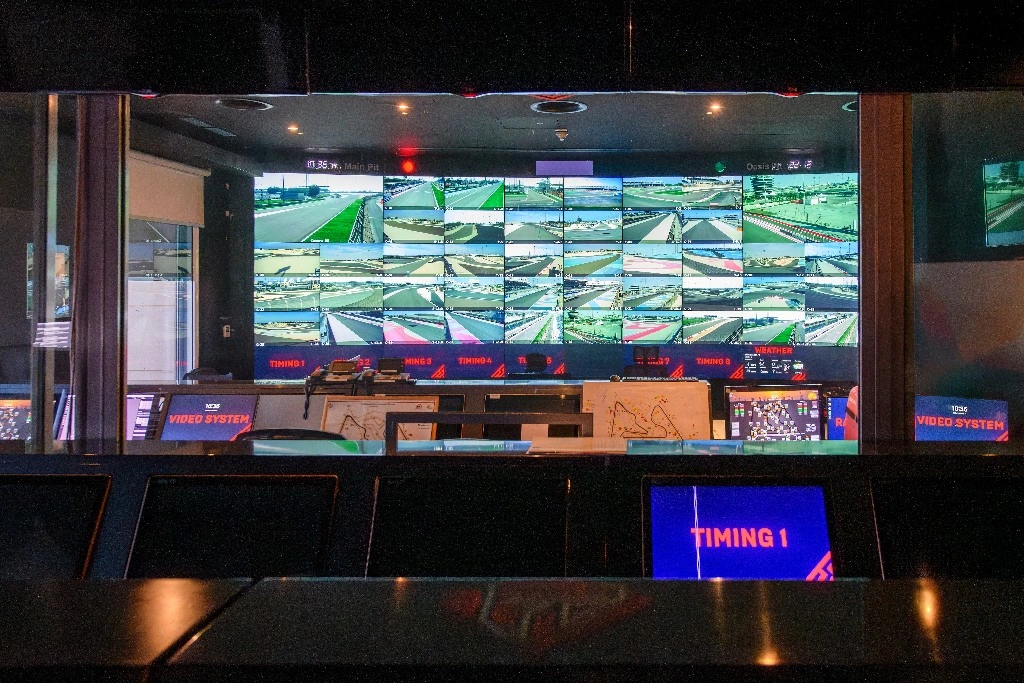
Prioritization matters just as much. Live events create noise, and not every issue needs the same response. Some issues require immediate action. Some can be handled by the team without involving the client. Others are best fixed quietly while the program continues. The skill is knowing the difference in real time.
I see the risk most clearly when a tool arrives too late to be trusted. It looks impressive in the demo, but the team has never run it under real conditions. The client expects control, and the process has not been tested. Late tools just create late pressure.
A well-prepared tool does the opposite. It cuts down unnecessary calls and messages, keeps people working from the same picture, and gives whoever is leading a clearer view of the floor. It also helps the team review what worked after the event.
So for me the answer was never less technology. It is better use of it. Choose the tool early. Test it properly. Train the people who will actually use it. Keep the process simple enough to survive real pressure. Then keep experienced people close to the decisions when the doors open.
The person in the room knows what it means.